by Ligia Houben | Jan 6, 2025 | Blog US
The New Year is more than just a date on the calendar; it’s an opportunity for a fresh start. What does this new chapter mean to you? Beyond traditional resolutions, it’s important to connect with what truly matters: our authenticity, our capacity to heal, and our willingness to transform our lives.
1. What Does It Mean to Live Authentically?
Living authentically means accepting and embracing all that we are, including our emotions and experiences. Starting the year this way involves:
Recognizing difficult emotions that we often try to ignore, like sadness or grief.
Honoring our losses and lessons, allowing ourselves to heal from the heart.
Listening to our inner voice, letting it guide us toward what truly matters.
Authenticity isn’t about perfection; it’s about being honest with ourselves as we move forward with intention and purpose.
2. A New Year: A Door to New Opportunities
Each New Year is like a door that opens, offering us new possibilities. Even when we face challenges, we can always decide how we step through that door. Here are some steps to get started:
Reflect: Take time to write or meditate on the lessons of the past year.
Let Go of What No Longer Serves You: Say goodbye to what doesn’t add value to your life, whether it’s habits, beliefs, or relationships.
Visualize Your Intention: Imagine how you want to feel and what actions you can take to make that happen.
Crossing this door with purpose can transform how you experience the year ahead.
3. Keys to Starting the Year with Hope and Transformation
Honor Your Lessons: Every challenge from the past has taught you something valuable. Carry those lessons with you as tools for this new year.
Open Your Heart: Allow yourself to explore new opportunities, even if they push you out of your comfort zone.
Set Intentions, Not Resolutions: Instead of rigid lists, focus on how you want to feel and the steps that will bring you closer to that.
4. Your Guide to a Year of Hope and Purpose
The key to a transformative year is living authentically. By listening to your heart, embracing your emotions, and moving forward with intention, you can create a year full of meaning, even in the face of challenges.
Keep in mind that 2025 is an open door full of possibilities. The choice of how to step through it is in your hands. Honor your emotions, focus on what truly matters, and move forward with hope. This could be the year you reconnect with yourself and transform your life from the inside out.
May this year be one of authenticity, hope, and transformation.
Happy New Year!
Remember, your life has meaning!
Ligia M. Houben

by Ligia Houben | Dec 27, 2024 | Blog US
As we live the final days of 2024, let’s take a collective pause—a moment to reflect on what this year has brought into our lives. Welcome to Transforming Grief, a space of love and compassion where we gather with open minds and hearts. I’m Ligia Houben, and today, I invite you to explore the beauty and resilience that can emerge from even the most challenging times.
Embracing the Duality of the Season
The end of the year often brings a blend of emotions—joy and celebration for some, and heaviness for those navigating grief. For many, the holidays serve as a reminder of loss, amplifying feelings of loneliness or sadness. As we step into the final week of the year, I want to honor your journey, your grief, and the immense courage it takes to keep moving forward.
Grief reshapes us in profound ways.
I’ve felt this transformation in my own life, starting with the loss of my beloved father when I was 12. It led me to dedicate my life to supporting others in their journeys of loss and healing. Through grief, we often discover inner strength we didn’t know we possessed.
Reflecting on Your Accomplishments Amidst Grief
This past year has undoubtedly brought its challenges. Yet, amidst the heartache, there have been moments of resilience, courage, and growth. Take a moment to reflect:
What have you accomplished despite your grief?
What moments of strength are you most proud of?
Did you take even a single step toward healing?
Remember, healing doesn’t have to be grandiose. It can be as simple as allowing yourself to feel your emotions, reaching out for support, or practicing forgiveness. These small acts are monumental because they show your commitment to honoring your journey.
Recognizing Losses Beyond Loved Ones
While the loss of a loved one is often the most recognized form of grief, this year may have brought other types of loss—loss of health, stability, or a sense of security. It’s important to acknowledge and validate all these experiences. Grief is multifaceted, and each type of loss deserves compassion and understanding.
Preparing for the New Year: Letting Go and Transforming
As we prepare to welcome 2025, consider what you’re ready to release. Are you holding on to painful memories, resentment, or mistakes that weigh you down? Now is the time to transform these burdens into lessons and opportunities for growth. Ask yourself:
How do you want to enter the new year?
What are you ready to let go of?
How can you transform a painful memory into a loving one?
Imagine stepping into 2025 with an unburdened heart, ready to embrace hope, love, and peace. Even as we grieve, our loved ones remain with us in spirit, carried forever in our hearts. By opening our hearts, we honor their love and continue to carry it forward.
The Greatest Gift: Love
Love is the most profound gift we have. It’s the thread that connects us to others, to ourselves, and to those we’ve lost. As we step into the new year, remember to unwrap this gift. Let it guide you toward healing and transformation.
Closing 2024 with Intention
As this year comes to a close, take time to honor its sacred moments—the joys, the pain, and the love that endured through it all. Carry your loved one’s memory with you into the new year and step forward with intention and hope.
Thank you for allowing me to be part of your journey in 2024.
May 2025 bring you renewed hope, love, and healing.
From my heart to yours,
Ligia M. Houben
by Ligia Houben | Nov 28, 2024 | Blog US
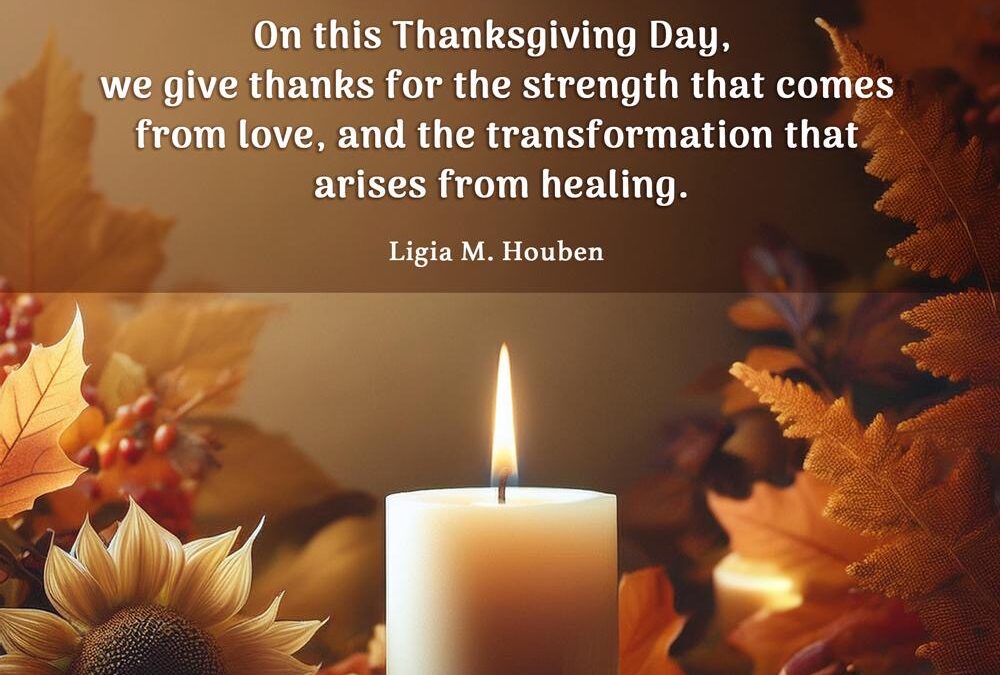
Thanksgiving is a cherished time to reflect on our lives and connect with what truly matters: gratitude, love, and healing. It’s more than just a holiday; it’s an opportunity to pause and appreciate the blessings that surround us. This year, embrace Thanksgiving with an open heart, giving thanks for the strength that comes from love and the transformation that arises from healing. Let this season of gratitude inspire meaningful connections and reflections on what truly brings us joy.
The Power of Thanksgiving Gratitude
Gratitude is at the heart of Thanksgiving. It’s a moment to acknowledge not just what we have but also who we are and the journey that brought us here. Gratitude is transformative—it allows us to turn challenges into growth and loss into resilience. This Thanksgiving, reflect on:
Thanksgiving traditions that strengthen bonds.
Whether it’s gathering with loved ones, sharing a meal, or expressing thanks, these rituals remind us of the beauty of connection.
The strength you’ve gained through challenges. Difficult times often reveal how resilient we truly are, giving us the courage to keep moving forward.
The healing power of gratitude.
Even amidst loss or pain, giving thanks helps us find peace and meaning in our journey.
How to Celebrate Thanksgiving Meaningfully
To make this Thanksgiving truly memorable, focus on creating moments of gratitude and love. Here are some ideas to help you celebrate meaningfully:
Start your day with Thanksgiving reflections.
Begin the day by writing down what you’re grateful for or sharing your thoughts with someone close to you. This small act can set the tone for a day filled with appreciation.
Honor loved ones in your Thanksgiving traditions.
Take a moment to remember those who have touched your life, whether they’re present with you or in your heart. Share a story about them or light a candle in their honor.
Express gratitude as a family.
Around the table, invite everyone to share what they’re thankful for. This simple tradition can deepen connections and create lasting memories.
Practice Thanksgiving mindfulness.
Take time to appreciate the present moment—the warmth of loved ones, the delicious meal, and the joy of togetherness.
The Healing Power of Love and Gratitude
Love and gratitude are inseparable. When we give thanks, we honor the love we’ve received and shared. This Thanksgiving, recognize the transformative power of both:
Gratitude heals. It shifts our focus from what we’ve lost to what we’ve gained, helping us find meaning even in life’s challenges.
Love strengthens. It provides the foundation for resilience, guiding us through life’s ups and downs.
Thanksgiving isn’t just about the traditions or the meal—it’s about opening your heart to gratitude and love. When we embrace Thanksgiving with this mindset, we create space for healing, connection, and joy.
Thanksgiving as a Season of Transformation
This Thanksgiving, let the gratitude in your heart transform the way you see the world. Reflect on the blessings in your life, honor your journey, and celebrate the love that surrounds you. Remember, every expression of thanks brings healing and strength.
May this Thanksgiving be a time of renewal, connection, and heartfelt gratitude for all that life has to offer.
Warmly,
Ligia M. Houben
by Ligia Houben | Nov 14, 2024 | Blog US
“At times our own light goes out and is rekindled by a spark from another person.”
—Albert Schweitzer
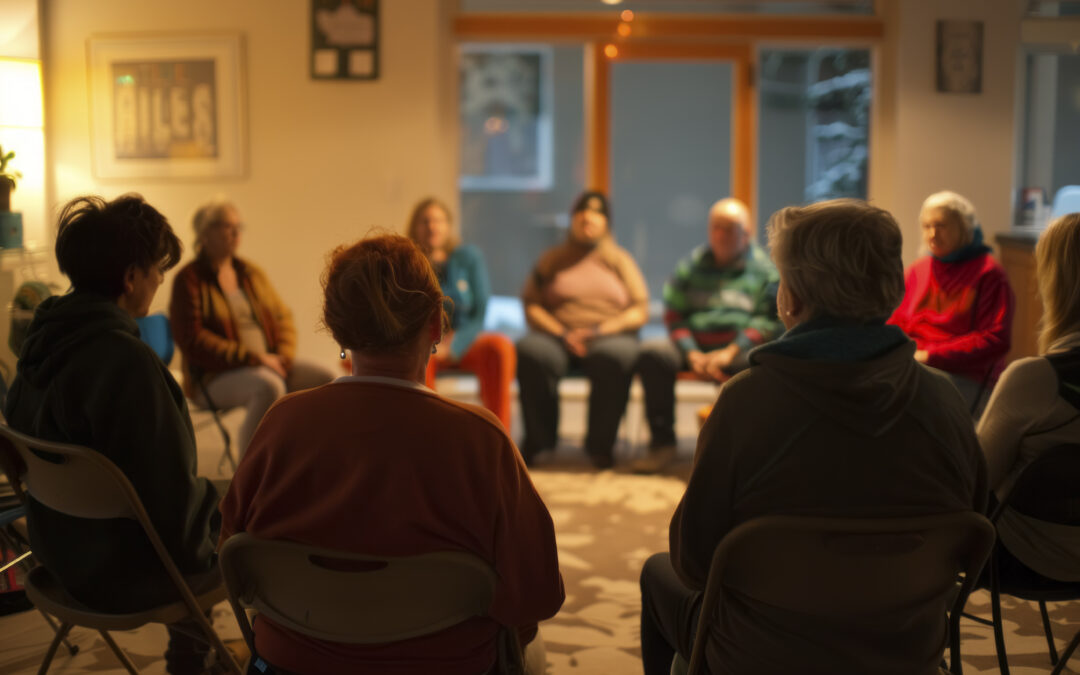
Feeling appreciated, understood, and heard are essential human needs, especially when we are dealing with grief. During the holidays, these needs become even more crucial, as the season can be a trigger and often amplifies feelings of loss and longing. Meaningful grief support groups can provide the understanding and companionship that make a difference during these challenging times.
Having facilitated numerous support groups over the years, I’ve seen the incredible healing that occurs when people come together. One of the most rewarding experiences has been offering my 8-week program, Transforming Grief and Loss, which is rooted in my unique methodology, the 11 Principles of Transformation®. This program offers a space where people grieving can establish meaningful connections that last well beyond the structured group sessions. The bond created is powerful and nurturing, offering participants not just support but a true sense of belonging.
For several years, I co-led the two-day Congregational Health Bereavement Program training with Dr. Rev. Dale Young, Director of Pastoral Care, at Baptist Health South Florida. Although we no longer run these sessions (Dale retired), the program’s success still warms my heart. Through this initiative, we trained facilitators to host bereavement support groups in churches, helping countless people navigate their grief. These groups provided comfort and validation, reminding people that they were not alone in their journey.
More recently, I had the privilege of leading the seminar Navigating Grief During the Holidays at Stanfill Funeral Home. It was beautiful to see participants form an instant connection, a testament to the power of shared experiences. The holidays can be particularly painful when you’re grieving, but these seminars offer practical strategies, emotional support, and the comfort of being surrounded by others who truly understand.
One of the most impactful aspects of my workshops and seminars is the hybrid approach I use. Not only do I share actionable information about coping with grief, but I like to create an open space for participants to share their stories. This combination of learning and sharing is what makes these groups invaluable, as people feel safe, validated, and cared for, which is exactly what they need to begin their healing journey.
The holidays are a time when grief can feel overwhelming, but support groups remind us that we don’t have to face it alone. These groups offer a lifeline of hope, connection, and healing. As we gather and share, we rekindle our inner light through the support of those who truly understand our pain.
If you’re navigating grief, whether during the holidays or beyond, remember that healing is possible. Grief support groups can transform your experience of loss, helping you find strength, hope, and a renewed sense of purpose.
In the words of Albert Schweitzer, sometimes it’s the spark from another person that rekindles our own light—and that’s the true power of coming together in support.
From my heart to yours,
Ligia M. Houben

by Ligia Houben | Nov 9, 2024 | Blog US
When I first met Claudia C. Castillo, I was deeply moved by her story. Her journey is one of profound transformation, embodying the possibility of moving from a place of suffering to a place of honoring with love which is the message that lies at the heart of what I share with those who grieve. Although our pain is natural, rooted in the deep love and loss we feel, we can choose to transform that pain into a legacy that both honors our loved ones and invites healing.
On the evening of August 27, Claudia presented her book, Symphony of the Soul. 8 Tools for Finding Joy After Loss at Books and Books in Coral Gables, Florida. I love this bookstore as I have also presented my books there, and it brings memories that touch my heart. The space was packed with people who came not only to support her mission but also to seek solace in their hearts after suffering their own losses. Witnessing this gathering was a testament to the impact of Claudia’s work.

I had shared the event details with several of my clients, believing that her message and techniques could bring them healing, and it was beautiful to see the community come together in such a heartfelt way.
Symphony of the Soul. 8 Tools for Finding Joy After Loss is more than just a book; it’s a guide that stems from the heartbreak of losing her son Álvaro Luis to an overdose. Her techniques offer a comprehensive path to personal healing and spiritual awakening.
Through her meaningful book, Claudia delivers not only practical techniques but also powerful spiritual messages she received from Álvaro Luis. Her commitment to her son’s memory becomes a gift to all of us, transforming personal loss into a message of hope, empowerment, and healing.
One of the things that Claudia and I share with our hearts is that we both write as a way to honor our loved ones and heal. This makes me feel very close to her as I know that writing becomes a sacred space where we open our hearts, and our grief finds purpose and healing. I say this with my heart as my book, Allow Me to Live My Grief…and Heal from the Inside Out, which is launching on November 19, is my way of honoring my beloved mother. When we open our hearts we are able to transform our memories into messages of love.
I’m also thrilled to announce that on Tuesday, November 12th, we will be hosting a live session on Instagram at 8 PM. This will be an opportunity for us to connect and share stories. We invite you to join us for this heartfelt gathering, where we hope to inspire healing and honor the memories of our loved ones.
Symphony of the Soul. 8 Tools for Finding Joy After Loss, invites all of us to heal and transform our loss.

Claudia’s story reminds us that healing is possible and that in honoring our loved ones, we can create a legacy that uplifts the human spirit. Her journey teaches us that even through profound grief, we can choose love, embrace purpose, and find strength in the bonds we share.
From my heart to yours,
Ligia M. Houben