Self-Paced Online Grief Courses vs. Traditional Therapy: Which Approach Supports You Best?

by | Sep 17, 2026

Grief can be one of the most profound experiences we go through, and if you’re in the middle of it, you’re probably looking for support that truly helps. As options for grief care have grown, I’ve seen self-paced online grief courses become a real, meaningful alternative to traditional therapy. In this article, I want to walk you through how these two approaches compare — their effectiveness, accessibility, cost, and how well they fit different personal preferences. My hope is that by understanding what self-paced online courses can offer, you’ll feel more equipped to choose the kind of support that’s truly right for you. Key sections will include an analysis of how both methods function, the benefits and limitations of each, and insights from my own offerings, which blend these approaches to help deepen your healing journey.

Effectiveness:

The effectiveness of grief support options can vary significantly between self-paced online grief courses and traditional therapy. Self-paced courses provide structured content designed for individual processing, allowing participants to engage at their own pace and revisit material as needed for deeper understanding. In contrast, traditional therapy offers personalized sessions with a trained professional, delivering tailored support that addresses specific emotional challenges and facilitates live interaction. Effectively incorporating various modalities can be beneficial, as the immediate feedback in therapy can enhance understanding and emotional processing.

Accessibility:

When it comes to accessibility, self-paced online grief courses stand out due to their ability to be accessed anywhere with an internet connection. This flexibility supports those with busy schedules or mobility issues, allowing individuals to engage in their healing process at convenient times. Traditional therapy, while providing invaluable face-to-face interaction, can be limited by geographical constraints and scheduling conflicts. Individuals may struggle to find a therapist that matches their needs, complicating access further. The straightforward enrollment and anytime access of online courses make them an attractive option for many seeking support.

Cost:

Financial considerations often play a significant role in deciding between self-paced online grief courses and traditional therapy. Self-paced courses typically require a one-time fee, making it easier for individuals to budget for their healing journey. For example, I offer a self-paced online grief course priced at $297, which gives you comprehensive resources without the ongoing costs of therapy. Conversely, traditional therapy often entails variable fees per session, depending on location and therapist expertise. This pricing structure can accumulate significantly over time, making traditional therapy a less feasible option for some individuals.

Personal Preferences:

Preferences in engaging with grief support can heavily influence which method is chosen. Self-paced courses tend to suit individuals who prefer a more independent approach to their healing process, allowing them to reflect without the immediate pressures of a therapist’s presence. Those who value personal privacy or feel overwhelmed in face-to-face interactions often gravitate toward self-paced options. On the other hand, traditional therapy benefits individuals who require direct interaction for emotional expression and processing. Getting clear on your own preferences can help you find the method that fits best with your healing journey.

What Are Self-Paced Online Grief Courses and How Can They Help You?

Self-paced online grief courses are structured programs designed to assist individuals in navigating their grief journey at their own pace. These courses typically offer various materials, including pre-recorded lessons and community forums, making them a versatile option for those seeking support. The flexibility of learning allows participants to engage when they feel ready, ensuring a more tailored experience that resonates with their emotional landscape.

Structure:

The structure of self-paced online grief courses usually consists of pre-recorded lessons combined with guided assignments that encourage personal reflection and emotional processing. Each course is designed to lead participants through different aspects of the grieving process, enabling them to explore their feelings and experiences deeply. Additionally, community forums often accompany these courses, providing a space for shared experiences and peer support, which enhances the overall healing journey.

Benefits:

Several advantages characterize self-paced online grief courses, making them increasingly popular. Participants enjoy significant flexibility in engaging with the content, allowing them to process emotions in a supportive and personalized manner. Furthermore, online courses can foster a sense of community, as participants often share their stories and encouragement in discussion forums—even if they are physically apart. This communal aspect can provide additional emotional support alongside course materials, reinforcing the sense of connection during a difficult time.

Who These Courses Are For:

Self-paced online grief courses can be especially meaningful if you value privacy and flexibility in your healing process. They tend to resonate with people who feel overwhelmed by traditional therapy settings, or who simply want to take their time working through grief. They’re also a good fit if you appreciate being able to access supportive materials from the comfort of your own home, making it easier to fold support into your everyday routine.

How Do Online Grief Courses Complement or Replace Traditional Therapy?

Online grief courses can complement or replace traditional therapy, depending on individual needs and situations. The flexibility of online courses allows participants to enhance their therapeutic experience by providing additional resources and insights that they can access at their pace. Those engaged in therapy may find that online courses cover concepts that can open up new pathways for discussion in their sessions, providing added depth and understanding of their grief. Conversely, individuals who prefer personalized guidance may discover that traditional therapy is essential for addressing complex emotions effectively, while online courses serve as supplementary support.

How Does Traditional Therapy Work for Grief Support?

Traditional therapy involves individualized guidance from trained professionals who assist clients in working through emotional pain and managing their grief effectively. Typically rooted in a variety of therapeutic methods, this approach offers structured support that adapts to each client‘s unique circumstances.

Therapeutic Methods

Various therapeutic methods are employed in traditional therapy for grief support, including cognitive-behavioral therapy (CBT) and narrative therapy. CBT helps individuals reframe negative thoughts stemming from their loss, while narrative therapy encourages the retelling of grief stories as a means of processing emotions. Both modalities provide valuable frameworks for understanding complex feelings, helping clients gain insight into their grief and foster healing.

Session Structures

The structure of traditional therapy sessions can vary depending on the provider but generally involves regular meetings that allow for personalized guidance. These sessions may last between 50-90 minutes, with discussions focused on the individual’s emotional experiences. Therapists work with clients to set goals throughout their journey, ensuring that progress is continually evaluated and emotionally addressed.

Role of the Therapist

Therapists play a critical role in providing a safe space for individuals to express their feelings during grief. Their compassionate presence allows clients to explore painful emotions while guiding them toward healthy coping mechanisms. By offering tailored support and real conversation, therapists help clients work through the complexities of grief and shape their own path toward healing.

What Are the Common Benefits of Grief Counseling Sessions?

Engaging in grief counseling offers several noteworthy benefits that support emotional healing. Many individuals find solace in the validation of their feelings when sharing experiences with a trained professional. Additionally, guided exploration aids in uncovering suppressed emotions, enabling a more profound understanding of one’s grief. Direct support in these sessions promotes a sense of connection, encouraging individuals to feel less isolated in their journey.

What Are the Limitations Compared to Self-Paced Grief Courses?

While traditional therapy provides numerous benefits, it does have limitations when compared to self-paced grief courses. One major drawback is the potential for higher costs and the ongoing scheduling difficulties that therapy may impose. Many clients may also feel uncomfortable with in-person sessions, limiting their willingness to engage fully in their healing journey. Additionally, the immediate access of online courses may provide a sense of reassurance that traditional therapy cannot replicate, making self-paced options appealing to many individuals.

What Are the 11 Principles of Transformation in Grief Healing?

The 11 principles of transformation in grief healing serve as guiding tenets that empower individuals to find meaning during their grief journey. These principles encompass various aspects of emotional processing, encouraging personal growth and introspection throughout the healing process.

How Do These Principles Support Emotional Growth in Grief?

Each principle of transformation helps facilitate emotional growth by providing actionable strategies that can be integrated into daily life. For example, principles focusing on acceptance and communication promote healthy emotional exploration, enabling individuals to articulate their feelings without judgment. By cultivating an understanding of these principles, participants can apply them to enhance personal growth while coping with grief.

Can Applying These Principles Enhance Online Course Outcomes?

Research indicates that applying the principles of transformation within online grief courses can significantly enhance outcomes for participants. The principles encourage individuals to engage more actively with course material and foster a deeper exploration of their relationships with grief. Ultimately, those who incorporate these guiding principles are likely to experience improved emotional resilience and overall healing compared to those who approach grief without a structured framework.

Who Benefits Most from Online Grief Courses Versus Traditional Therapy?

Understanding the demographics that benefit most from self-paced online grief courses versus traditional therapy is essential for guiding those seeking support. Both methods serve unique needs, and individual context plays a vital role in choosing the right approach.

What Personal Situations Favor Self-Paced Grief Education?

Situations that highlight the preference for self-paced grief education often include those where individuals seek privacy in processing their emotions. People overwhelmed by traditional settings may find solace in online courses that allow them to reflect in solitude without external pressures. Similarly, families with varying schedules may find these courses advantageous due to their flexibility, making it easier to accommodate the diverse needs of family members experiencing grief.

When Is Traditional Therapy the Better Choice?

Traditional therapy is the better choice for individuals facing complex emotional situations or crises where immediate professional support is vital. Many people may require a therapist’s expertise to navigate overwhelming feelings and compound issues surrounding their loss. Direct engagement with a skilled professional fosters a safe environment for emotional expression, making therapy a necessary component for some individuals particularly during challenging times.

How Do My Multi-Format Grief Offerings Deepen Your Healing Journey?

I offer a range of multi-format grief services designed to deepen your healing journey by bringing together different kinds of support. My approach encourages both personal reflection and community connection, so you don’t have to choose between exploring your grief on your own and feeling less alone in it.

How Can Integrating Counseling with Online Courses Enhance Support?

By combining counseling with online courses, I’m able to offer you a structured learning experience alongside personal guidance. This combination supports your emotional healing by giving you both educational materials and a real interpersonal connection. Through this kind of engagement, you also benefit from community support, which adds even more depth to the experience.

What Grief Transformation Books Complement the Online Learning Experience?

Complementing the experience of online learning, grief transformation books provide additional resources that individuals can employ throughout their healing process. These self-help books explore diverse perspectives on grief, presenting stories and strategies that resonate with individuals experiencing loss. They offer practical advice and means of reflection, complementing the insights gained from online courses.

Books to help with grief and loss

Book cover of "Allow Me to Live My Grief... and Heal from the Inside Out" by Ligia M. Houben, featuring a minimalist design with a white background and elegant gold text, symbolizing themes of grief and healing.
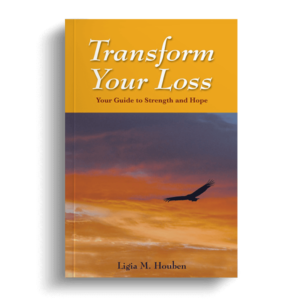
Transform Your Loss - Your Guide to Strength and Hope
Transforming Grief and Loss Workbook