
Online Grief Coaching for Life Transitions

by | Oct 12, 2026

Online grief coaching through Ligia Houben’s Life Transitions support gives midlife women and bicultural clients virtual, one-on-one sessions via Zoom, grounded in The 11 Principles of Transformation®. This virtual grief coaching addresses job loss, divorce, relocation, and empty-nest changes, available in English and Spanish, and is built around bicultural grief support that honors clients’ cultural identity while they process emotions and move forward with renewed clarity and purpose.

Key Takeaways

  • Grief extends beyond death to career transitions, relationship changes, and identity shifts requiring specialized support.

  • Dr. Alan Wolfelt identifies 7 distinct grief coaching paths to address loss in roles, bodies, and beliefs.

  • Life transitions demand witnessing and cultural humility from coaches trained in non-death grief support.

  • Ligia Houben in Miami offers transformation coaching grounded in the 11 Principles for navigating life's in-between moments.

What Counts as a Life Transition Loss?

Death isn’t the only event that triggers deep grief. Divorce, career change, retirement, and other major shifts can produce mourning that feels just as real as bereavement. Life transition grief coaching specializations now recognize identity and life transitions as a distinct category of loss, separate from death but equally deserving of structured support.

Loss shows up in ordinary places: a changed role at work, a shifting relationship, a belief system that no longer fits. These moments don’t always come with sympathy cards or casseroles, yet they carry weight. Clients navigating divorce, job loss, health crises, or other major transitions often describe the same disorientation, sadness, and identity confusion that accompany the death of a loved one.

Online Grief Coaching for Life Transitions gives bicultural and global clients a structured way to name these losses and move through them with guidance, rather than figuring it out alone.

Common life transition losses include:

  • Divorce or the end of a long-term partnership

  • Career change, job loss, or retirement

  • Health diagnosis or loss of physical ability

  • Relocation away from home, culture, or community

  • Shifts in faith, belief, or personal identity

Can grief coaching help with something other than death?
Yes. Grief and loss coaching supports people moving forward through divorce, job loss, health crises, and other major transitions, not only bereavement. This work isn’t grief therapy or clinical counseling; it’s practical, compassionate guidance for the in-between moments life creates.

Why Does Grief Need to Be Witnessed?

Grief needs witnessing because healing rarely happens in isolation. Grief educator David Kessler puts it this way: all grief needs to be seen and acknowledged, not solved. That idea sits at the center of Online Grief Coaching for Life Transitions. The goal is never to erase someone’s pain but to walk alongside it.

A career change, a divorce, a move across borders, each loss carries its own weight. Grief counselor Elisabeth Kübler-Ross noted that grief is as individual as the life behind it. Two people can face the same transition and feel entirely different things.

Consider someone who just lost a job. Relief, fear, and a strange sense of space can all hit at once, often during the same afternoon. That emotional tangle isn’t a sign something’s wrong; it’s what transition grief looks like.

Does Witnessing Mean the Same Thing as Fixing?

No. Witnessing means staying present with someone’s pain without rushing to resolve it. Fixing tries to shortcut the process; witnessing honors it.

What Does Accompanying Someone Through Grief Actually Look Like?

It looks like steady, respectful presence rather than advice-giving. A grief coach listens, validates, and helps clients name what they’re feeling without judgment. For bicultural and global clients especially, that kind of accompaniment, offered virtually and bilingually, often matters more than any checklist of solutions.

How Is Grief Coaching Different From Therapy?

Grief coaching supports forward movement through bereavement, divorce, job loss, and health crises, while grief therapy treats diagnosed clinical conditions. The two paths share a focus on healing but differ sharply in scope and training. Online Grief Coaching for Life Transitions gives clients practical tools for everyday grief, not clinical treatment for disorders.

Clients navigating a career change, a relocation, or an empty nest often need structure and encouragement rather than diagnosis. Coaching meets that need directly. It walks alongside someone moving through change, helping her build routines, name emotions, and set small, achievable goals.

Therapy serves a different purpose. Licensed clinicians treat conditions like prolonged grief disorder, which require clinical assessment and sustained professional care. A skilled coach recognizes those signs early and refers the client onward rather than attempting to manage them alone.

What does a grief coach actually do day to day? A grief coach helps clients process a major transition, such as retirement, divorce, or relocating far from family, through structured conversation and goal-setting. Sessions stay forward-focused, emphasizing coping strategies and emotional clarity rather than diagnosis.

When should someone choose therapy instead of coaching? Anyone experiencing symptoms that disrupt daily functioning for months, or signs consistent with prolonged grief disorder, needs a licensed therapist. Coaching works best as a complement to, not a replacement for, clinical care.

Grief Coaching

Grief Therapy

Supports life transitions, bereavement, job loss

Treats diagnosed clinical grief conditions

Forward-focused, goal-oriented

Clinically assessed, treatment-based

Rates vary by experience and credentials

Often covered by insurance, licensed providers

What Does Online Grief Coaching Look Like?

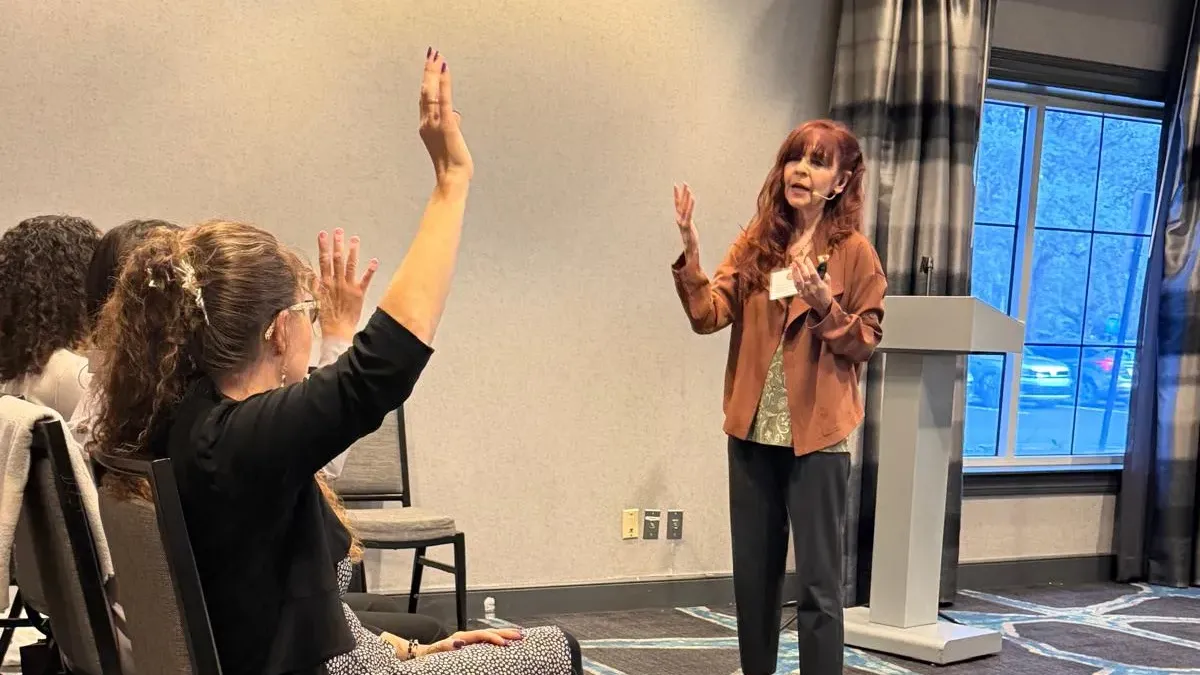
Online Grief Coaching for Life Transitions looks like a video call, a quiet hour, and a guided conversation that meets clients wherever they’re grieving from. Ligia Houben, based in Miami, Florida, serves clients navigating life transitions virtually, so geography never stands between someone and support. A kitchen table in another state works just as well as a living room across the ocean.

Sessions draw on more than two decades of experience supporting individuals and families through loss. That history shapes how each conversation unfolds: structured, but never rigid. Clients aren’t handed a script. They’re handed a framework that flexes to fit divorce, retirement, empty nests, career endings, or relocation.

What happens during a typical session?

Most sessions open with a check-in on where the client stands emotionally that week. From there, conversation moves into The 11 Principles of Transformation®, a guided path designed to carry grief toward growth rather than around it. Clients often leave with one small, doable step for the days ahead.

Is online grief coaching as effective as meeting in person?

Distance doesn’t dilute the work. What matters most is the space itself, compassionate and free of judgment. Grief gets honored and understood rather than rushed. A screen becomes the doorway into that space.

Support often extends beyond the session itself, through resources like Books to help with grief and loss, offered as part of a broader toolkit for healing.

  • Weekly or biweekly video sessions

  • Flexible scheduling across time zones

  • Bilingual support in English and Spanish

  • Optional group formats for shared healing

How Do You Find the Right Support?

Finding the right support, whether that means online grief coaching for divorce and job loss or guidance through another transition, starts with naming the loss honestly, not minimizing it. Divorce, job loss, a tough health diagnosis, and the death of a loved one all qualify as grief, and all deserve real attention. Clients drawn to Online Grief Coaching for Life Transitions often carry more than one of these losses at the same time, which makes matching support to the specific transition so important.

Dedicated grief organizations exist precisely for this reason. They support the person grieving and the people around them trying to help, whether that’s a spouse, an adult child, or a close friend. Good support meets both sides of that equation.

What kind of losses qualify for coaching support?

Coaching support covers far more than bereavement alone. Clients navigating a divorce, a layoff, a sudden diagnosis, or any major life change qualify just as much as someone mourning a death. None of these transitions require permission to grieve; they require the right kind of accompaniment.

How much does grief coaching cost?

Rates vary by provider experience, credentials, and whether sessions happen one-on-one or in a group setting. Pricing isn’t one-size-fits-all, so asking directly about packages and formats is the smartest first step before committing.

The bigger truth worth holding onto: nobody has to walk through a major life transition alone. The right support just needs finding.

FAQ

What is online grief coaching for life transitions?

Ligia Houman’s virtual coaching delivers one-on-one Zoom sessions grounded in The 11 Principles of Transformation®, helping midlife women and bicultural clients process job loss, divorce, relocation, and empty-nest changes with renewed clarity and purpose.

What types of losses does this coaching address?

Sessions cover non-death losses including divorce, career change or job loss, retirement, health diagnoses, relocation away from culture or community, and shifts in faith or personal identity.

Does this coaching replace grief therapy or counseling?

No, this work is not grief therapy or clinical counseling. It offers practical, compassionate guidance and witnessing for people navigating life’s major transitions and in-between moments.

Conclusion

In closing, grief coaching for life transitions offers you a compassionate pathway through some of your most challenging moments. Whether you’re navigating loss, change, or uncertainty, having professional support helps you process emotions at your own pace and discover resilience within yourself. The journey through grief isn’t about moving on, it’s about moving forward while honoring what matters most. You deserve guidance that meets you where you are, and that’s exactly what grief coaching provides.

Books to help with grief and loss

Book cover of "Allow Me to Live My Grief... and Heal from the Inside Out" by Ligia M. Houben, featuring a minimalist design with a white background and elegant gold text, symbolizing themes of grief and healing.
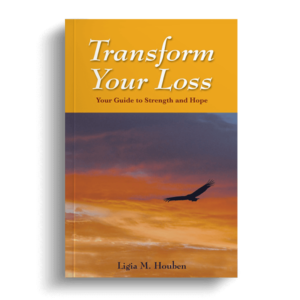
Transform Your Loss - Your Guide to Strength and Hope
Transforming Grief and Loss Workbook