

Learning how to support a grieving friend long term starts with a simple truth: showing up matters more than saying the right thing. In my work with grieving individuals and families, I’ve seen that real support means remembering anniversaries, checking in months after a loss, and listening without trying to fix anything. My approach, grounded in The 11 Principles of Transformation®, teaches that healing unfolds gradually, not on a fixed schedule. When we stay present beyond the first few weeks, we help a grieving friend feel less alone with their loss.
Why does long-term grief support matter?
Grief is a natural and unique response to loss, and it doesn’t follow a calendar. A friend who loses a spouse, a child, a parent, or a job can carry that weight for months or years, not just weeks. That’s why long-term support matters: healing often unfolds in waves that resurface long after the funeral.
In more than 20 years of supporting individuals, families, and organizations through grief, I’ve found that long-term support isn’t about fixing anything. It’s about honoring the unique journey of grief as each person lives it. The people who heal best are rarely the ones who grieve alone. They’re the ones surrounded by friends who stay present, who check in at six months and again at two years, who remember anniversaries and quiet milestones.
Why do people pull away from grieving friends?
It’s common to feel anxious or unsure in the role of supporting someone who’s grieving. That discomfort can lead caring people to say the wrong thing, or to avoid their grieving friend altogether. The cost is real: a friend who disappears during grief risks losing the relationship, and the grieving person loses a source of comfort exactly when they need it most.
How can I show up consistently over time?
Consistent support means showing up again and again, long after the funeral ends and the casseroles stop arriving. The months after a loss can feel lonelier than the first few weeks, when attention and support tend to be highest. Staying present over time tells a grieving friend something words alone can’t: that the person they lost mattered, and so do they.
What does showing up look like, month after month?
Showing up is rarely a grand gesture. It can be a text on a random Tuesday, a voicemail with no expectation of a call back, or a meal dropped off in month six, after the casseroles have stopped. These small, repeated gestures matter because they keep a connection open without asking the grieving person to perform gratitude or explain how they’re doing. We don’t need to fix anything. We just need to stay in touch.
What if they seem to pull away?
Grieving people sometimes withdraw, and it’s natural to wonder if we’ve done something wrong. For some people, withdrawal reflects exhaustion rather than rejection; for others, it may simply mean they need more space that week. Rather than assuming one explanation, we can keep reaching out gently, without demanding a response. A simple “thinking of you, no need to reply” respects their space while leaving the door open.
The 11 Principles of Transformation® speaks to this directly. Principle 4 focuses on expressing feelings, and we can model that by naming our own care openly: “I miss you, and I’m here.” Consistency isn’t about frequency; it’s about reliability. In my practice, I offer a compassionate space where grief is honored and understood, and that same idea applies to friendship: we can respect someone’s need for solitude without abandoning them to it. A friend who keeps checking in months into a loss understands that navigating unseen grief takes longer than the world often assumes.
What should I avoid saying or doing?
Well-meaning people often say things that wound without meaning to. The Crisis & Trauma Resource Institute notes that otherwise caring people sometimes say hurtful or minimizing things to someone who is grieving, and these missteps can push a grieving friend away, isolating the very person they want to comfort.
What are the most harmful things to say?
Avoid any statement that starts with “at least.” Saying “at least they lived a long life” dismisses the pain and implies the grief is disproportionate. Avoid “I know how you feel,” too. Every loss is different, and claiming to understand can shut down someone’s story before they’ve had a chance to tell it. Comparing losses or setting a timeline for someone else’s healing causes similar harm.
Why do people say the wrong thing?
Watching someone hurt can make us uncomfortable, and that discomfort drives most of these missteps. We want to fix what can’t be fixed, and silence can feel unbearable, so we fill it with words that minimize instead of comfort. Recognizing this tendency in ourselves is often the first step toward offering something better: presence instead of a solution.
My grief support resources go deeper into what helps and what doesn’t. My books guide readers toward understanding their own grief so they can show up for others, too, and the final principle in The 11 Principles of Transformation® focuses on moving forward with purpose, not on erasing pain.

How do I honor anniversaries and milestones?
Anniversaries and milestones carry their own weight, and they deserve acknowledgment rather than avoidance. A birthday, a wedding anniversary, the date of a loss: each one can bring a fresh wave of grief, even years later. The right response is less about finding the perfect ritual and more about creating space for remembrance without pressure. Some families light a candle together; others share a meal or visit a meaningful place. There’s no single right way to mark these days.
What rituals help on difficult anniversaries?
Simple rituals can anchor us when emotions run high: planting flowers, playing a favorite song, or writing a letter to the person who died.
How can I support someone on a hard date?
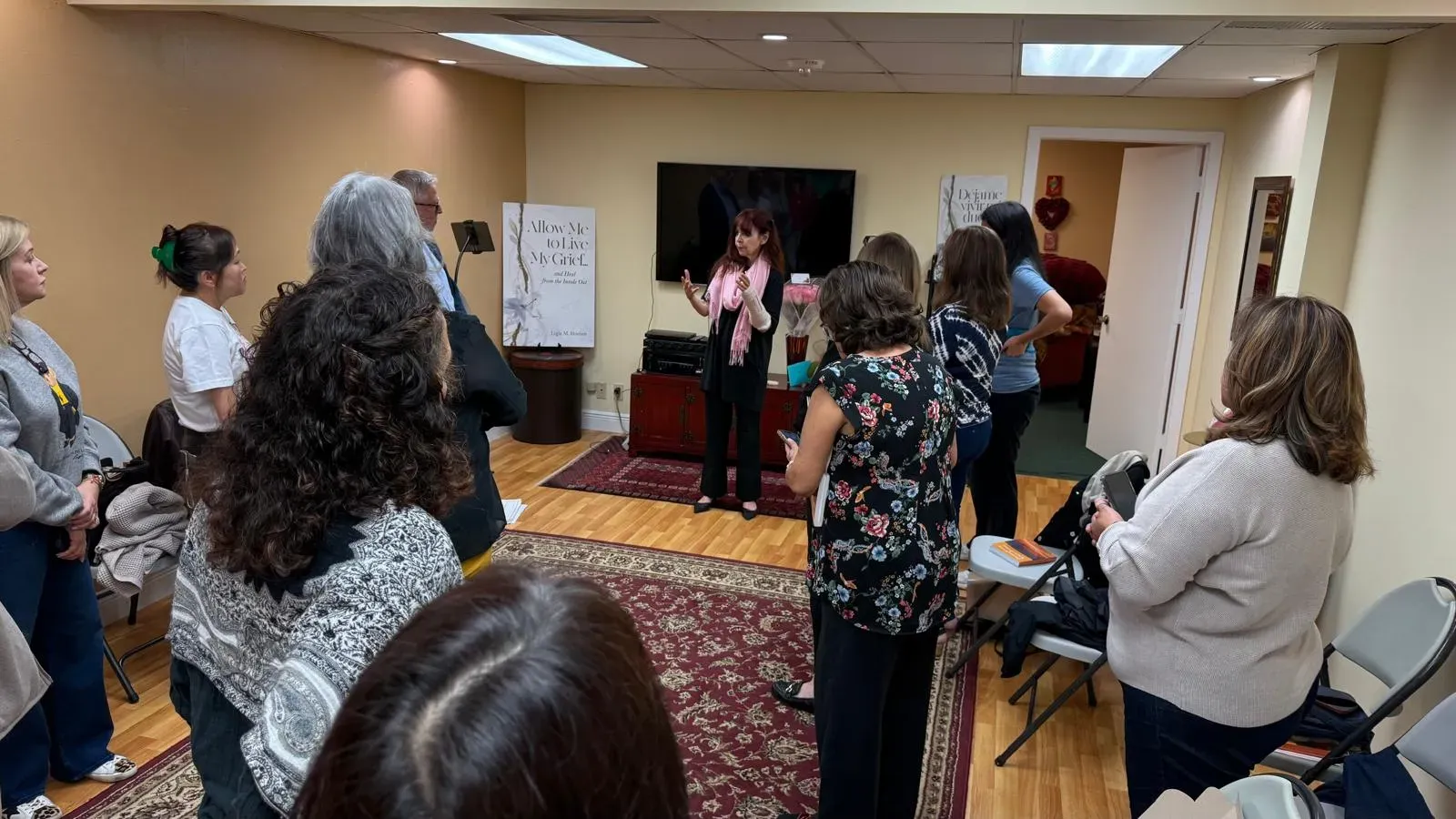
A text that says “thinking of you today” often matters more than a grand gesture. Offering to go with someone to a cemetery or memorial service can remove some of the weight of facing that day alone. My book, Allow Me to Live My Grief…and Heal from the Inside Out, is one resource I point people toward for building resilience through these recurring waves, meant to be read at whatever pace someone needs.
Grief doesn’t move on a fixed schedule. Some people find that the second year brings its own challenges rather than less pain, while others feel steadier by then; experiences vary widely. Staying present and continuing to mark the dates that matter to a grieving friend remains one of the most meaningful things we can do.
Where can I find more guidance and resources?
Supporting a grieving friend long term is easier when we have steady guidance of our own. I offer The 11 Principles of Transformation®, a self-paced online program designed to walk individuals and families through grief without pressure, at whatever speed their process requires.
Beyond the program, I also offer one-on-one support and virtual sessions, so help is available whether someone lives in Miami or connects from somewhere else entirely.
What if I want something I can read on my own time?
My book, Allow Me to Live My Grief…and Heal from the Inside Out, is available in both English and Spanish. It’s meant to extend the guidance from my sessions into something readers can return to on their own, during the moments that are hardest.
Resources I point people toward most often include:
- The 11 Principles of Transformation® for structured, self-paced learning
- One-on-one support for personalized guidance
- Books on grief and loss in English and Spanish
- Virtual sessions, so distance doesn't block care
Having resources like these on hand means none of us has to figure out the next step alone, whether we’re the one grieving or the one trying to help.
Frequently asked questions
How long does long-term grief support need to last?
There’s no fixed endpoint. Many grieving people appreciate check-ins for years, especially around anniversaries and other milestones that bring grief back to the surface.
What if I say the wrong thing to a grieving friend?
Acknowledge it simply and keep showing up. One imperfect moment rarely undoes months of consistent care; what matters more is that you stayed.
Should I wait for my friend to reach out first?
It’s better not to wait indefinitely. Grieving people often lack the energy to initiate contact, so a low-pressure message, with no expectation of a reply, can mean more than you realize.
Is it normal for grief to resurface years later?
Yes. Grief can resurface around anniversaries, holidays, or unexpected reminders even years after a loss. That resurgence doesn’t mean someone hasn’t healed; it’s simply part of how grief moves.
Conclusion
If you take one step after reading this, make it concrete: pick a date on your calendar a few months from now and set a reminder to reach out to your grieving friend. Send a text or a coffee invitation, no agenda attached. That one message can break a silence that often grows heavier the longer it lasts. You don’t need the perfect words. You just need to show up, today and again later. That’s how you support a grieving friend long term.


