
Healing Through Grief: Structured Frameworks and Actionable Tools in an Online Grief Recovery Program

by | Sep 16, 2026

Grief is a deeply personal and often challenging experience that many find difficult to navigate alone. Whether the grief is caused by the loss of a loved one or significant life changes, structured support and effective tools can facilitate healing and promote renewal. This comprehensive guide explores healing through grief by detailing the structured grief recovery frameworks and practical, self-paced grief recovery tools offered in an online grief transformation program based on the 11 Principles of Transformation. We will delve into the program’s distinct phases, present actionable grief exercises, and provide a roadmap to rebuild life after loss through a transformative online platform.

Structured Phases of Grief Recovery: A Clear Pathway to Healing

The journey of healing through grief in this online program is organized into four clear and structured phases. These serve to guide participants through the emotional landscape of loss progressively, ensuring a supportive yet empowering experience:

1. Acknowledge: The First Step Towards Healing

This crucial phase encourages full recognition and honest acceptance of grief. Participants are guided to face their emotions without judgment, fostering a foundation for deeper work. The program includes reflective activities and discussions to cultivate awareness and readiness for emotional processing.

2. Process: Diving into Emotional Exploration

In this phase, individuals engage with their feelings such as sadness, anger, and confusion. Mindfulness practices, expressive arts, and guided meditations support healthy emotional processing. Participants learn to observe and express grief authentically, helping to alleviate emotional burdens.

3. Transform: Reframing and Empowerment

Building resilience is central here. The program aids participants in reframing their experience of loss, transforming grief into a source of personal growth and strength. Cognitive reframing techniques and narrative development help individuals find new meaning and empowerment.

4. Reconnect: Rebuilding Life and Integrating Grief

The final phase focuses on life reintegration and social engagement. Through community forums and support workshops, participants rebuild connections and establish a renewed sense of purpose. This phase highlights continuous growth and sustained healing beyond program completion.

Actionable Grief Recovery Tools: Exercises to Facilitate Healing at Your Own Pace

The online grief transformation program offers a suite of grief recovery tools designed to complement each phase of the journey. The following four exercises are practical, engaging methods participants can use independently at home or alongside guided support:

Grief Mapping: Visualizing Your Emotional Landscape

Participants create a personalized “grief map”, charting key emotions, memories, and moments associated with their loss. This visual exercise helps externalize grief and makes complex feelings more manageable. It supports the Acknowledge phase by promoting honest recognition of grief components.

Emotional Acceptance Journaling: Writing to Embrace Feelings

This exercise involves daily journaling prompts focused on naming and accepting emotions without resistance. By reflecting on feelings such as anger, sadness, or guilt, individuals enhance emotional processing. It is particularly effective during the Process phase, encouraging mindful acceptance.

Rebuilding Daily Anchors: Establishing Stability Through Routine

Participants design simple, daily activities that provide comfort and structure—such as morning mindfulness, scheduled walks, or creativity breaks. These anchors build resilience and nurture wellbeing, supporting participants through the Transform and Reconnect phases with practical habits for stability.

Meaning-Making Reflection: Finding Purpose After Loss

This contemplative exercise guides individuals to explore the lessons learned, values clarified, and personal growth emerging from grief. By framing loss within a larger life narrative, participants craft stories of hope and transformation, essential for the final Rebuild phase.

Detailed Program Features and Resources

This online grief transformation program crafts a supportive environment employing numerous grief recovery tools, including:

  • Guided Video Modules: Step-by-step lessons introduce phases and provide instruction on exercises.
  • Reflective Exercises: Structured journaling and mindfulness prompts support emotional processing.
  • Expressive Arts Activities: Creative options such as drawing or writing enable non-verbal grief expression.
  • Community Engagement: Forums and group workshops encourage shared healing and connection.
  • Resource Library: Extensive collection of materials anchored in the 11 Principles of Transformation guide deeper understanding and sustained support.

The Role of Personalized Grief Counseling Services

Complementing the self-paced grief recovery tools, licensed counselors offer personalized guidance tailored to individual experiences. This one-on-one counseling ensures deeper emotional work aligns with the structured phases, maximizing transformation by adapting coping strategies to unique needs.

Rebuilding Life After Loss: A Pathway to Renewal

The ultimate goal of the program is rebuilding a meaningful and fulfilling life post-grief. Structured around the 11 Principles of Transformation, participants are empowered to:

  • Establish New Purpose: Through goal-setting and values clarification, participants reconnect with life directions that inspire.
  • Develop Resilience: Emotional regulation and reframing skills support navigating future life challenges.
  • Engage Socially: Encouragement to renew social ties combats isolation and nurtures belonging.
  • Maintain Continuous Growth: Ongoing tools and community access promote sustained wellbeing beyond program completion.
Contextualizing the 11 Principles Framework

The 11 Principles of Transformation serve as the foundation for the grief recovery program, offering a structured yet adaptable approach to emotional healing. These principles articulate a comprehensive strategy to navigate grief and foster growth:

  1. Recognition of grief as a natural and necessary process.
  2. Engagement with emotions rather than avoidance.
  3. Adoption of mindfulness to sustain presence and awareness.
  4. Promotion of self-compassion during difficult moments.
  5. Utilization of community and support networks.
  6. Development of personal narratives to reframe the experience.
  7. Setting achievable recovery goals to foster empowerment.
  8. Incorporation of creative expression as a healing tool.
  9. Continued learning and resource engagement.
  10. Application of adaptive coping mechanisms for long-term resilience.
  11. Commitment to ongoing growth and transformation beyond grief.

To explore these core concepts in depth, readers can visit the Comprehensive Guide to the 11 Principles of Transformation, which serves as a central pillar for understanding and applying this framework effectively.

Summary: Embracing Healing Through Grief with an Online Grief Transformation Program

This expanded overview presented a deep, comprehensive guide on healing through grief using an online grief transformation program. By outlining structured program phases—Acknowledge, Process, Transform, Reconnect—and offering concrete grief recovery tools and exercises, this resource empowers individuals to navigate their emotional journey with confidence and support. Anchored by the proven 11 Principles of Transformation, participants receive a roadmap to not only recover from loss but ultimately to rebuild a meaningful, resilient life enriched by continuous growth.

Books to help with grief and loss

Book cover of "Allow Me to Live My Grief... and Heal from the Inside Out" by Ligia M. Houben, featuring a minimalist design with a white background and elegant gold text, symbolizing themes of grief and healing.
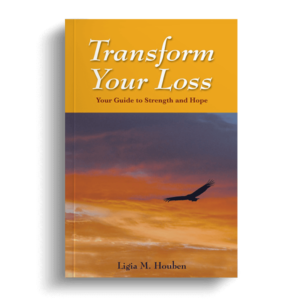
Transform Your Loss - Your Guide to Strength and Hope
Transforming Grief and Loss Workbook