
How to cope with grief: The 11 Principles of Transformation®
If you are reading this, something meaningful in your life may have changed. You may be grieving the death of someone you love, the end of a relationship, a change in health, the loss of a pet, retirement, relocation, a shift in identity, or the future you expected to have.
You may also be wondering how to cope with grief when nothing feels familiar. I want you to know that there is nothing wrong with you for feeling disoriented, tired, angry, numb, relieved, afraid, or unable to name what you feel. Grief is deeply personal, and it does not follow a timetable.
There is no single right way to grieve
Models of grief can give language to common experiences, but they should not become a checklist. You do not have to pass through emotions in a particular order. You do not need to prove that you are healing quickly enough. Your relationship, circumstances, culture, faith, body, and history all shape the way you grieve.
Moving forward does not mean moving on. It means learning how to live with a new reality while continuing to honor what matters.
Five gentle ways to cope with grief today
Name what changed
Allow the feeling without judging it
Care for the body carrying the grief
Reach toward one safe person
Create a small ritual
The 11 Principles of Transformation®

I created The 11 Principles of Transformation® as a compassionate, step-by-step framework to help people understand grief, reconnect with their inner resources, and move forward with greater meaning, purpose, and hope.
The journey begins with an introduction to loss and transformation, followed by 11 connected principles. Each principle builds on the one before it, but the goal is not to impose a rigid timeline. The goal is to give you a path you can return to.
- Accept Your Loss. Acceptance begins with meeting the reality of what changed. It does not mean approving of the loss or no longer wishing life were different. It means giving yourself a truthful place from which to begin.
- Live Your Grief. Grief needs room to be acknowledged. Living your grief means allowing your experience instead of performing strength for everyone around you or pretending the loss has not affected you.
- Go Deeper Into Your Spiritual Dimension. Spirituality may involve faith, nature, values, love, service, connection, or the questions that give your life meaning. This principle invites you to explore the resources that help you feel connected to something larger than the pain of the moment.
- Express Your Feelings. Feelings can be expressed through words, tears, movement, art, music, prayer, conversation, or quiet reflection. The aim is not to force emotion, but to give it a safe and healthy form.
- Share With Others. Grief can become isolating. Sharing means identifying the people and communities that can support you, asking for what you need, and recognizing that different people may be able to help in different ways.
- Take Care of Yourself. Self-care during grief is not indulgence. It includes tending to physical, emotional, social, and spiritual wellbeing with realistic expectations and compassion for your present capacity.
- Create Rituals. Rituals help us honor a person, a relationship, a chapter of life, or a transition. They can preserve connection, mark change, and give meaning to moments that are difficult to hold in ordinary language.
- Live the Present. The mind often travels to what happened or what will never happen. Returning to the present does not erase the past. It gives your body and mind one manageable moment in which to breathe and respond.
- Modify Your Thoughts. Grief can bring guilt, self-blame, fear, and rigid conclusions about the future. This principle invites you to notice thoughts that deepen suffering and explore interpretations that are more compassionate, balanced, and truthful.
- Rebuild Your World. Loss can change the structure of daily life. Rebuilding means gradually creating routines, roles, relationships, and sources of meaning that fit the person you are becoming while continuing to honor what you have lost.
- Visualize the Life You Want. Hope may feel distant, especially early in grief. Visualization is not pressure to be positive. It is permission to imagine that purpose, connection, and meaningful experiences can exist again.
How a self-paced grief program can help
A self-paced program lets you pause, return, and repeat. It can provide structure without requiring you to match another person’s schedule. It may be especially helpful if you prefer privacy, live far from the support you want, need an English or Spanish option, or want to begin before you feel ready to speak in a group.
The Online Program is a complete 12-part experience that includes:
- 12 pre-recorded video lessons you can revisit.
- Guided reflections, structured assignments, and interactive exercises.
- Downloadable worksheets and journal prompts.
- Readings and supporting resources.
- Online access in English or Spanish from anywhere in the world.
This is an educational and reflective program. It is not a test, and there is no required deadline for completing it.
What this program is and is not

It is not therapy or counseling, and it does not diagnose or treat mental health conditions. It does not replace care from a licensed mental health or medical professional. Some people use the program as their first educational step. Others use it alongside therapy, a support group, spiritual care, or other appropriate resources.
The best support is the support that fits your actual needs. Choosing clinical care when you need it is not a failure of strength or faith. It is an act of care.
When additional grief support may be important
Reach out to a licensed mental health professional or medical provider if grief is making it very difficult to function, intense distress is not easing, trauma symptoms are overwhelming, sleep or substance use has become concerning, or you feel unsafe. The SAMHSA bereavement and grief resource page offers additional information and support resources.
If you are in the United States and need immediate emotional support, call or text 988. The 988 Lifeline is available 24 hours a day. Call 911 or go to the nearest emergency department when there is immediate danger.
Frequently asked questions
How long does grief last?
Does coping with grief mean I have to let go?
Can The 11 Principles help with losses other than death?
What if I cannot complete the program in 12 weeks?
Is The 11 Principles of Transformation® grief therapy?
Can I use the program while attending therapy or a grief support group?
Begin at your own pace
You do not have to understand the whole journey before you begin. You only need a place to take the next compassionate step.
If you want a structured path that honors your rhythm, I invite you to begin The 11 Principles of Transformation® Online Program. You can move through the complete 12-part experience privately, in English or Spanish, and return to the lessons whenever you need them.
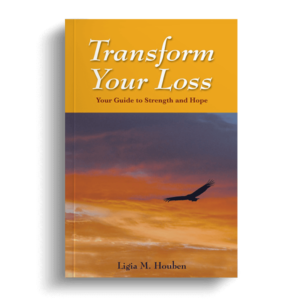
You may also begin with one of my books on grief and transformation if reading feels like the gentlest first step.