# Ligia Houben
> Grief Coach & Life Transitions Specialist
---
---
title: "Transform Your Loss: A Guide to Strength and Hope"
slug: "transform-your-loss-a-guide-to-strength-and-hope"
date: "2026-10-20 16:46:59"
author: "Ligia Houben"
---


When you experience a profound loss, it can be difficult to imagine that life may hold meaning again. You may be trying to understand what happened, manage unfamiliar emotions, or simply get through the day. Even ordinary decisions—what to eat, whether to answer a message, how to get through a family gathering—can take more energy than they used to. If this is where you are, you do not have to rush toward hope. You can begin exactly where you are.
[In my work](https://ligiahouben.com/about-ligia-houben/) with people facing grief and in my own understanding of loss, I have learned that transformation does not mean approving of what happened, forgetting someone you love, or turning pain into a lesson before you are ready. It means learning to carry the loss in a way that leaves room for love, memory, and, eventually, new possibilities. There is no deadline for this process, and there is no single version of healing that fits everyone.
## What does it mean to transform your loss?
Grief can affect every part of life: your emotions, your body, your relationships, your sense of identity, and even your beliefs about the future. Transformation begins by acknowledging that something significant has changed. Rather than telling yourself to be strong or trying to suppress every difficult feeling, you can start by noticing what is happening inside you and giving yourself permission to respond with care.
This process may include expressing sadness or anger, asking for help with daily responsibilities, reconnecting with people who can listen without judging, or slowly reconsidering what matters to you now. Some days you may feel grounded; another day, a song, a date, or an ordinary object may bring the pain close again. A difficult day does not erase the progress you have made.
## Strength does not mean carrying everything alone
Many people who are grieving feel pressure to be the strong one. They may be supporting children, helping a parent, returning to work, or answering relatives who want to know whether they are doing better. Sometimes the person who seems most capable is the one who has had the least space to speak honestly about the loss.
Strength can also look like saying, “I am not ready to talk about that,” asking a friend to sit with you, or admitting that a familiar routine has become difficult. You do not have to explain your grief perfectly to deserve support. If people around you do not know what to say, you might tell them what would help: listening, practical assistance, company, or a little quiet.
## Hope does not require you to forget

One of the most painful misunderstandings about grief is the idea that feeling joy means leaving the person behind. You can continue to love someone who has died and still build relationships, discover interests, laugh at something unexpected, or make plans. These moments do not diminish your bond. They become part of the life you are learning to live now.
Instead of asking yourself to feel positive, try asking a gentler question: “What is one caring thing I can do for myself today?” The answer may be making a meal, taking a short walk, resting, looking at a photograph, or choosing not to attend an event that feels overwhelming. Small acts are not insignificant when you are grieving.
## A structured path through grief and change
My book, [Transform Your Loss: Your Guide to Strength and Hope](https://ligiahouben.com/product/transform-your-loss/), grew from the belief that we can honor what we have lost while gradually making space for meaning and hope. It offers reflections and practical guidance for people facing bereavement and other difficult life transitions, including relationship changes, health challenges, and changes in identity.
[The 11 Principles of Transformation®](https://ligiahouben.com/the-11-principles-of-transformation/) offer a structured way to reflect on loss, validate emotions, care for yourself, and consider how you want to move forward. They are not a checklist or a demand to reach a particular stage by a certain date. You can return to the ideas that meet your needs at different moments.
## How to begin when everything feels like too much
You do not need to redesign your life today. Choose one manageable step: tell a trusted person what has been hardest this week, write down a feeling you have been avoiding, or identify one task you could ask someone else to help with. If reflection feels overwhelming, pause. Caring for yourself includes recognizing when you need a break.
If grief is making everyday life feel impossible, or if you feel persistently overwhelmed, individual support may help you understand what you are experiencing and what kind of care would be appropriate. You can learn more about [grief coaching and support with me.](https://ligiahouben.com/grief-coaching/) Support should respect your pace and your story—not pressure you to feel differently.
## Frequently asked questions
### Is transforming a loss the same as getting over it?
No. Transformation is not about erasing grief or reaching a finish line. It is about finding ways to live with the loss while gradually reconnecting with meaning, relationships, and the parts of life that remain important to you.
### Who may find Transform Your Loss helpful?
The book may be a useful reflective resource for people facing the death of a loved one or another significant life transition. It is educational and self-guided; it is not a substitute for individualized mental-health care when that care is needed.
### What if I do not feel hopeful yet?
You do not have to manufacture hope. You can focus on what helps you get through today and allow your feelings to be what they are. For some people, hope begins as a very small possibility rather than a confident belief about the future.
### How do I know what kind of support I need?
Consider what feels hardest right now: loneliness, daily functioning, family communication, or the need to make sense of your loss. Learning about the available options and asking questions can help you choose a form of support that fits your circumstances.
---
---
title: "Grief Transformation vs. Coping Mechanisms: What Is the Difference?"
slug: "grief-transformation-vs-coping-mechanisms-what-is-the-difference"
date: "2026-10-20 21:37:47"
author: "Ligia Houben"
---


When grief changes your life, you may hear advice about coping, staying strong, or moving on. People may suggest keeping busy, focusing on the positive, or returning to your usual routine. Often, these comments come from a desire to help. Yet they can leave you feeling that your pain is inconvenient or that you are expected to be doing better by now.
Coping and transformation are related, but they are not the same experience. Coping can help you get through a difficult moment or manage the demands of daily life. Grief transformation looks more broadly at how you live with the loss over time, make space for your emotions, and consider what meaning and purpose may look like in a life that has changed. Neither requires you to forget the person you love.
## What are coping mechanisms for grief?
Coping mechanisms are the strategies we use to manage stress, intense feelings, and everyday demands. Some are practical and supportive: talking with a trusted person, resting, moving your body gently, maintaining a simple routine, or taking a break from a situation that feels overwhelming. A small structure can be especially helpful when grief makes ordinary tasks feel unfamiliar.
Other responses may offer short-term relief but create problems over time. For example, withdrawing from every source of support, avoiding all reminders indefinitely, or relying on alcohol or other substances to numb feelings may leave you more isolated or make daily life harder. This is not a reason to shame yourself. It is an invitation to notice whether a response is helping, what it costs you, and what safer or kinder alternative might be available.
Coping can change from day to day. On a difficult morning, your goal may simply be to get dressed, eat something, or answer one message. Those steps matter. You do not need to turn every day into a project of self-improvement.
## What does grief transformation mean?
Transformation does not mean that grief disappears or that a loss becomes acceptable. It does not require you to feel grateful for what happened, find a silver lining, or turn pain into a lesson before you are ready. It means gradually making room for the reality of the loss and exploring how you want to live with it.
That exploration may include acknowledging emotions you have been trying to hide, understanding how the loss has changed your identity, reconnecting with people, caring for your physical and emotional needs, or reconsidering what gives your life meaning. For some people, transformation includes a new purpose. For others, it begins with being able to talk about the person who died without feeling pressured to change the subject.
There is no universal timeline. You may find yourself returning to the same questions or experiencing renewed sadness around anniversaries and holidays. That does not mean transformation has failed. Grief is connected to love, memory, and the significance of what was lost.
## Grief transformation vs. coping: the key differences

A helpful way to understand the difference is to think about the needs each approach addresses. Coping often helps you navigate the immediate moment: “What can help me get through today?” Transformation invites a wider reflection: “How can I continue living in a way that honors what happened and what matters to me now?” These questions can support each other.
- Coping may focus on getting through a difficult day; transformation may help you reflect on how your life and priorities are changing.
- Coping strategies can provide immediate structure or relief; transformation can include a longer process of emotional understanding and meaning-making.
- Coping may involve asking for help with a task; transformation may include learning to recognize your needs and communicate them more clearly.
- Neither approach should pressure you to move on, suppress emotions, or meet someone else’s expectations for grief.
## You do not have to choose one or the other
Helpful coping strategies can support you while you explore deeper changes. You might use a breathing exercise before a difficult family conversation, then later reflect on what that relationship means to you now. You might ask a friend to help with errands while also giving yourself time to consider which routines still fit your life. Practical support and personal reflection are not competing paths.
It is also important to recognize when a coping strategy has stopped helping. If you find yourself increasingly isolated, unable to manage essential tasks, or overwhelmed by emotions, consider talking with a qualified professional about the kind of support that would be appropriate. Seeking help is not a sign that you are grieving incorrectly.
## A structured approach to transformation
[The 11 Principles of Transformation®](https://ligiahouben.com/the-11-principles-of-transformation/) offer a structured educational path for reflecting on loss and reconnecting with purpose. The principles are interconnected rather than a rigid checklist. They are not meant to tell you what to feel or how quickly to progress; they offer ideas you can explore at your own pace.
My approach begins with respecting the reality of each person’s experience. If you are interested in learning more about my background and work, visit [About Ligia Houben.](https://ligiahouben.com/about-ligia-houben/) If you are considering support, you can also explore [grief coaching and life-transition support](https://ligiahouben.com/grief-coaching/) and decide whether it fits what you are looking for.
## Frequently asked questions
### Does grief transformation mean I should feel positive about the loss?
No. You can acknowledge pain and still make room for meaning. Transformation is not forced positivity and does not require you to be grateful for what happened.
### Can coping mechanisms be healthy?
Yes. Coping strategies such as seeking connection, resting, creating manageable routines, and expressing emotions can be supportive. It may help to notice whether a strategy is helping you function and connect, or whether it is leaving you more isolated or distressed.
### How long does grief transformation take?
There is no fixed timeline. Your needs may change over time, and difficult feelings may return around important dates or reminders. A helpful approach should respect your pace rather than set a deadline.
### When should I seek professional help?
Consider contacting a qualified mental-health professional if grief is significantly disrupting daily life, symptoms feel overwhelming, or you are concerned about your safety. Educational resources and coaching are not substitutes for clinical care when clinical care is needed.
---
---
title: "Bereavement Support Groups for Spanish-Speaking Families in the US"
slug: "bereavement-support-groups-for-spanish-speaking-families-in-the-us"
date: "2026-10-20 19:52:58"
author: "Ligia Houben"
---


Grief is deeply personal, but it is also shaped by family, language, culture, and the communities we belong to. For many Spanish-speaking families in the United States, mourning may include shared traditions, faith, close family ties, and different ideas about when or how grief should be expressed. When a loved one dies, the loss can change not only one person’s life but also family roles, routines, and the way relatives relate to one another.
Sometimes people feel they must stay strong for everyone else. Someone may take care of practical arrangements, keep working, or support children and older relatives while privately struggling to sleep or concentrate. Another family member may want to talk about the person who died often, while someone else avoids the subject because it feels too painful. These differences can create distance at a time when everyone is already hurting.
## Why culturally responsive grief support matters
Support should make room for people to speak in the language in which they feel most understood and to bring their cultural values without being judged or stereotyped. Spanish-speaking families are not all alike. Beliefs and traditions vary across countries, generations, religions, family histories, and individual experiences. A respectful approach asks what matters to each person instead of assuming that everyone grieves in the same way.
Language can make a meaningful difference. A person may know how to describe daily responsibilities in English but find it easier to talk about longing, guilt, faith, or family memories in Spanish. Others may prefer English or move between both languages. The important question is whether the person can express their experience clearly and feel understood.
## What can a bereavement support group offer?
A bereavement support group can provide a space to listen, share memories, learn from other people’s experiences, and recognize that feelings such as loneliness, anger, guilt, numbness, or confusion are not unusual responses to loss. Hearing someone describe a feeling you have struggled to explain can reduce the sense that you are the only one going through it.
You should not have to tell your story before you are ready. Group formats differ, and it is reasonable to ask a facilitator about language options, confidentiality, group size, participation expectations, and whether listening quietly is welcome. You can also ask what the group is designed to provide: peer connection, education, spiritual support, grief coaching, or clinically led care. These options are not interchangeable, so understanding the format can help you make an informed choice.
## Supporting each other across generations

Children, parents, and grandparents may communicate grief differently. A child may ask direct questions, an adult may focus on practical tasks, and an older relative may turn to familiar rituals or faith. One person may want to look at photographs; another may need a break from reminders. Different responses do not automatically mean that someone cares less or is grieving incorrectly.
Rather than guessing what a relative needs, try asking a specific, gentle question: “Would you like me to listen, or would practical help be better?” You might also ask whether they want to talk about the person who died, share a memory, or spend time together without discussing the loss. Respecting different needs can create connection without forcing anyone to grieve on someone else’s timetable.
## When online support may help
For families spread across different cities or states, [online grief support](https://ligiahouben.com/grief-coaching/) may make connection more accessible. It can reduce travel and make it easier to attend from home, especially when work schedules, caregiving, health, or transportation create barriers. Before joining, check whether the group is appropriate for your location, what privacy measures are used, and whether the facilitator has experience with grief and culturally responsive support.
Online support is not the right fit for every person or every situation, but it can be one option to explore. If grief is severely affecting daily functioning, if you feel unsafe, or if you need individualized clinical care, contact a licensed mental-health professional or healthcare provider. A support group can offer connection, but it should not be presented as a substitute for care when care is needed.
## Finding support that respects your story
My work is grounded in the belief that grief deserves to be acknowledged with compassion and that support should respond to each person’s needs. I have written about cultural experiences of loss in [Counseling Hispanics Through Loss, Grief, and Bereavement](https://ligiahouben.com/store/books/), a guide for mental-health professionals. You can also explore my [grief support resources](https://ligiahouben.com/grief-support/) to learn more about the kinds of guidance and resources available.
If you are looking for support, you do not have to know exactly what to ask for before you begin. You can start by identifying what feels most difficult right now: the loneliness, the pressure to be strong, family disagreements, or the feeling that no one understands your grief. That can be enough to begin a conversation about what kind of support may be helpful.
## Frequently asked questions
### Do I have to speak in a bereavement support group to benefit from it?
Group formats differ. Ask the facilitator whether participants are expected to share and whether listening quietly is acceptable. You should understand the expectations before deciding whether the group feels right for you.
### Can online grief support work for families in different locations?
Online options can make participation easier when travel, distance, or schedules are barriers. Confirm the group’s language, privacy practices, eligibility, and format before joining.
### What is the difference between a support group and grief counseling?
A support group generally emphasizes shared experience and connection, though formats vary. Grief counseling or other clinical care may offer individualized assessment and treatment from a qualified professional. Ask about the provider’s training, credentials, and scope of practice.
### How can I support a family member whose grief looks different from mine?
Avoid assuming what they feel or need. Ask what would help, listen without correcting their emotions, and respect their pace. Practical support—such as a meal, a ride, or help with an errand—can also communicate care.
---
---
title: "Online Grief Coaching for Life Transitions"
slug: "online-grief-coaching-for-life-transitions"
date: "2026-10-12 16:30:05"
author: "Ligia Houben"
---

[](https://ligiahouben.com/wp-content/uploads/2026/10/e26d5c27-126b-459f-a771-31b9c987f8ff.webp)
Online grief coaching through Ligia Houben’s Life Transitions support gives midlife women and bicultural clients virtual, one-on-one sessions via Zoom, grounded in The 11 Principles of Transformation®. This virtual grief coaching addresses job loss, divorce, relocation, and empty-nest changes, available in English and Spanish, and is built around bicultural grief support that honors clients’ cultural identity while they process emotions and move forward with renewed clarity and purpose.
## Key Takeaways
- Grief extends beyond death to career transitions, relationship changes, and identity shifts requiring specialized support.
- Dr. Alan Wolfelt identifies 7 distinct grief coaching paths to address loss in roles, bodies, and beliefs.
- Life transitions demand witnessing and cultural humility from coaches trained in non-death grief support.
- Ligia Houben in Miami offers transformation coaching grounded in the 11 Principles for navigating life's in-between moments.
## What Counts as a Life Transition Loss?
Death isn’t the only event that triggers deep grief. Divorce, career change, retirement, and other major shifts can produce mourning that feels just as real as bereavement. Life transition grief coaching specializations now recognize identity and life transitions as a distinct category of loss, separate from death but equally deserving of structured support.
Loss shows up in ordinary places: a changed role at work, a shifting relationship, a belief system that no longer fits. These moments don’t always come with sympathy cards or casseroles, yet they carry weight. Clients navigating divorce, job loss, health crises, or other major transitions often describe the same disorientation, sadness, and identity confusion that accompany the death of a loved one.
**Online Grief Coaching for Life Transitions** gives bicultural and global clients a structured way to name these losses and move through them with guidance, rather than figuring it out alone.
Common life transition losses include:
- Divorce or the end of a long-term partnership
- Career change, job loss, or retirement
- Health diagnosis or loss of physical ability
- Relocation away from home, culture, or community
- Shifts in faith, belief, or personal identity
### Can grief coaching help with something other than death?
Yes. Grief and loss coaching supports people moving forward through divorce, job loss, health crises, and other major transitions, not only bereavement. This work isn’t grief therapy or clinical counseling; it’s practical, compassionate guidance for the in-between moments life creates.
[](https://ligiahouben.com/wp-content/uploads/2026/10/a9288ccc-eff2-435f-9483-bc0f28b527ae.webp)
## Why Does Grief Need to Be Witnessed?
Grief needs witnessing because healing rarely happens in isolation. Grief educator David Kessler puts it this way: all grief needs to be seen and acknowledged, not solved. That idea sits at the center of **Online Grief Coaching for Life Transitions**. The goal is never to erase someone’s pain but to walk alongside it.
A career change, a divorce, a move across borders, each loss carries its own weight. Grief counselor Elisabeth Kübler-Ross noted that grief is as individual as the life behind it. Two people can face the same transition and feel entirely different things.
Consider someone who just lost a job. Relief, fear, and a strange sense of space can all hit at once, often during the same afternoon. That emotional tangle isn’t a sign something’s wrong; it’s what transition grief looks like.
### Does Witnessing Mean the Same Thing as Fixing?
No. Witnessing means staying present with someone’s pain without rushing to resolve it. Fixing tries to shortcut the process; witnessing honors it.
### What Does Accompanying Someone Through Grief Actually Look Like?
It looks like steady, respectful presence rather than advice-giving. A grief coach listens, validates, and helps clients name what they’re feeling without judgment. For bicultural and global clients especially, that kind of accompaniment, offered virtually and bilingually, often matters more than any checklist of solutions.
## How Is Grief Coaching Different From Therapy?
Grief coaching supports forward movement through bereavement, divorce, job loss, and health crises, while grief therapy treats diagnosed clinical conditions. The two paths share a focus on healing but differ sharply in scope and training. **Online Grief Coaching for Life Transitions** gives clients practical tools for everyday grief, not clinical treatment for disorders.
Clients navigating a career change, a relocation, or an empty nest often need structure and encouragement rather than diagnosis. Coaching meets that need directly. It walks alongside someone moving through change, helping her build routines, name emotions, and set small, achievable goals.
Therapy serves a different purpose. Licensed clinicians treat conditions like prolonged grief disorder, which require clinical assessment and sustained professional care. A skilled coach recognizes those signs early and refers the client onward rather than attempting to manage them alone.
**What does a grief coach actually do day to day?** A grief coach helps clients process a major transition, such as retirement, divorce, or relocating far from family, through structured conversation and goal-setting. Sessions stay forward-focused, emphasizing coping strategies and emotional clarity rather than diagnosis.
**When should someone choose therapy instead of coaching?** Anyone experiencing symptoms that disrupt daily functioning for months, or signs consistent with prolonged grief disorder, needs a licensed therapist. Coaching works best as a complement to, not a replacement for, clinical care.
| p]:m-0 metasync-inline-4" colspan="1" rowspan="1">Grief Coaching | p]:m-0 metasync-inline-5" colspan="1" rowspan="1">Grief Therapy |
| --- | --- |
| p]:m-0 metasync-inline-6" colspan="1" rowspan="1">Supports life transitions, bereavement, job loss | p]:m-0 metasync-inline-7" colspan="1" rowspan="1">Treats diagnosed clinical grief conditions |
| p]:m-0 metasync-inline-8" colspan="1" rowspan="1">Forward-focused, goal-oriented | p]:m-0 metasync-inline-9" colspan="1" rowspan="1">Clinically assessed, treatment-based |
| p]:m-0 metasync-inline-10" colspan="1" rowspan="1">Rates vary by experience and credentials | p]:m-0 metasync-inline-11" colspan="1" rowspan="1">Often covered by insurance, licensed providers |
## What Does Online Grief Coaching Look Like?
[](https://ligiahouben.com/wp-content/uploads/2026/10/373a4857-809b-4c0e-8625-2d5e9092a3a8.webp)
**Online Grief Coaching for Life Transitions** looks like a video call, a quiet hour, and a guided conversation that meets clients wherever they’re grieving from. Ligia Houben, based in Miami, Florida, serves clients navigating life transitions virtually, so geography never stands between someone and support. A kitchen table in another state works just as well as a living room across the ocean.
Sessions draw on more than two decades of [experience supporting individuals](https://ligiahouben.com) and families through loss. That history shapes how each conversation unfolds: structured, but never rigid. Clients aren’t handed a script. They’re handed a framework that flexes to fit divorce, retirement, empty nests, career endings, or relocation.
### What happens during a typical session?
Most sessions open with a check-in on where the client stands emotionally that week. From there, conversation moves into The 11 Principles of Transformation®, a guided path designed to carry grief toward growth rather than around it. Clients often leave with one small, doable step for the days ahead.
### Is online grief coaching as effective as meeting in person?
Distance doesn’t dilute the work. What matters most is the space itself, compassionate and free of judgment. Grief gets honored and understood rather than rushed. A screen becomes the doorway into that space.
Support often extends beyond the session itself, through resources like **Books to help with grief and loss**, offered as part of a broader toolkit for healing.
- Weekly or biweekly video sessions
- Flexible scheduling across time zones
- Bilingual support in English and Spanish
- Optional group formats for shared healing
## How Do You Find the Right Support?
Finding the right support, whether that means online grief coaching for divorce and job loss or guidance through another transition, starts with naming the loss honestly, not minimizing it. Divorce, job loss, a tough health diagnosis, and the death of a loved one all qualify as grief, and all deserve real attention. Clients drawn to **Online Grief Coaching for Life Transitions** often carry more than one of these losses at the same time, which makes matching support to the specific transition so important.
Dedicated grief organizations exist precisely for this reason. They support the person grieving and the people around them trying to help, whether that’s a spouse, an adult child, or a close friend. Good support meets both sides of that equation.
### What kind of losses qualify for coaching support?
Coaching support covers far more than bereavement alone. Clients navigating a divorce, a layoff, a sudden diagnosis, or any major life change qualify just as much as someone mourning a death. None of these transitions require permission to grieve; they require the right kind of accompaniment.
### How much does grief coaching cost?
Rates vary by provider experience, credentials, and whether sessions happen one-on-one or in a group setting. Pricing isn’t one-size-fits-all, so asking directly about packages and formats is the smartest first step before committing.
The bigger truth worth holding onto: nobody has to walk through a major life transition alone. The right support just needs finding.
## FAQ
### What is online grief coaching for life transitions?
Ligia Houman’s virtual coaching delivers one-on-one Zoom sessions grounded in The 11 Principles of Transformation®, helping midlife women and bicultural clients process job loss, divorce, relocation, and empty-nest changes with renewed clarity and purpose.
### What types of losses does this coaching address?
Sessions cover non-death losses including divorce, career change or job loss, retirement, health diagnoses, relocation away from culture or community, and shifts in faith or personal identity.
### Does this coaching replace grief therapy or counseling?
No, this work is not grief therapy or clinical counseling. It offers practical, compassionate guidance and witnessing for people navigating life’s major transitions and in-between moments.
## Conclusion
In closing, grief coaching for life transitions offers you a compassionate pathway through some of your most challenging moments. Whether you’re navigating loss, change, or uncertainty, having professional support helps you process emotions at your own pace and discover resilience within yourself. The journey through grief isn’t about moving on, it’s about moving forward while honoring what matters most. You deserve guidance that meets you where you are, and that’s exactly what grief coaching provides.
---
---
title: "How to Express Emotions During Grief Without Guilt"
slug: "how-to-express-emotions-during-grief-without-guilt"
date: "2026-10-12 16:33:47"
author: "Ligia Houben"
---
[](https://ligiahouben.com/wp-content/uploads/2026/10/3f473b14-8352-4aed-93b5-44b3769a44c9.webp)
In my work, I’ve come to believe that authentic emotional expression during grief requires permission, not perfection, and that permission is the heart of coping with guilt after loss. I created the [11 Principles of Transformation®](https://ligiahouben.com/the-11-principles-of-transformation/) to teach bereaved women that grief has no single “right” way to unfold. I remind my clients often that naming feelings honestly, rather than judging them, releases guilt and allows healing to progress naturally, one honest emotion at a time.
## Key Takeaways
- I've seen that grief manifests differently for everyone; your emotional response doesn't require justification or apology.
- In my practice, I find that guilt during grief stems from unrealistic expectations about how you "should" process loss.
- Two weeks after loss, returning to normal activities reflects healthy grieving, not emotional avoidance.
- I encourage every woman I work with to honor her unique emotional journey without accepting others' predetermined timelines.
## Why Does Guilt Show Up During Grief?
In my years of practice, I’ve learned that guilt shows up because grief itself gets tangled with impossible expectations about how mourning should look. Grief is the natural response to a loss. I see many bereaved adults feel ashamed for grieving “too much” or not enough, and that shame rarely reflects anything a person did wrong.
Part of the problem lies in avoidance. I notice that many people try to push grief away and act like nothing happened, all while hurting quietly underneath. That hidden hurt often curdles into guilt about “not grieving right,” especially for women who’ve spent decades holding families together and feel pressure to stay composed.
Well-meaning friends add another layer, I’ve found. Comments meant to distract a grieving person from sadness rarely offer real comfort; they often leave the bereaved feeling even more misunderstood.
### Why does guilt sneak up unexpectedly during mourning?
In my experience, guilt rarely announces itself directly. It hides in small, unexpected moments: laughing at a memory, feeling relief after a long illness ends, or even resuming daily routines. I’ve watched these flashes catch grieving people off guard precisely because they seem disconnected from the loss itself.
### Can guilt appear even without an obvious reason?
Yes. I’ve seen guilt surface even when a death or loss doesn’t fit any familiar pattern people associate with wrongdoing. Bicultural families, in particular, may feel caught between grieving traditions, wondering whose expectations they’re failing to meet.
[](https://ligiahouben.com/wp-content/uploads/2026/10/c108a849-8979-41b1-b0e8-19cc2a0f837e.webp)
## What Does Grief Actually Feel Like?
Grief never confines itself to one feeling or one dimension, I remind my clients. It touches the body, the spirit, the social world, and the emotions all at once, often within the same hour. A bereaved mother might feel exhausted in her muscles, foggy in her thinking, and distant from friends, all before lunch.
**Learning how to express emotions during grief without guilt** starts with recognizing this full-body reality. In my work, I see grief show up as:
- Physical exhaustion, tight chests, or restless sleep
- Emotional swings between numbness and overwhelm
- Spiritual questioning of faith, purpose, or meaning
- Social withdrawal or discomfort around others who seem "fine"
When any of these dimensions get pushed aside or silenced, I’ve found the pain doesn’t disappear. It lingers underneath, blocking forward movement and quietly shaping daily decisions long after the loss occurred.
### Why do my emotions feel so unpredictable right now?
I want you to know that unpredictable emotions are not a sign that something is wrong with the grieving process. Sudden tears, irritability, or even laughter in the middle of sorrow reflect an honest response to loss. In my experience, these shifting feelings mirror exactly where a person stands in that moment, nothing more.
### Is it normal to feel both relief and sadness?
Yes, and I see this pairing show up often among women navigating caregiving losses or long illnesses. Feelings carry no moral weight; they are not good or bad, they just exist. The healthiest path forward, I tell my clients, involves naming them honestly and giving each one room to be explored rather than judged.
## How Can You Release Guilt Over Grieving?
Releasing grief and guilt starts with a simple truth I share often: no two grieving processes look the same. A widow who returns to work within weeks isn’t grieving less than one who stays home for months. Each person’s timeline deserves respect, not comparison.
Guilt often creeps in through unexpected doors, I’ve observed. Numbness after a loss can feel like betrayal, but it’s only one phase in a long and layered journey. Grief doesn’t move in a straight line, and feeling disconnected one day doesn’t erase the love felt the day before.
### Does Grief Only Count After a Death?
In my practice, I see grief show up after many kinds of loss, not just death. Divorce, a career change, or retirement can all trigger real mourning. Each of these transitions deserves acknowledgment, without guilt attached for grieving something others might not consider “big enough.”
### What Helps Guilt-Free Healing?
**Validating your emotions** stands as a core step I guide clients through when moving past grief without shame. Naming what’s felt, rather than judging it, opens the door to healing.
A few grounding reminders I share along the way:
- Grieving differently from someone else doesn't mean grieving wrong.
- Numbness is a phase, not a failure.
- Loss from life transitions counts just as much as loss from death.
- Emotions validated are emotions that can finally move.
Healing happens, I remind my clients, when guilt gets set down and honest feeling gets picked up instead.
## What Are Healthy Ways to Express Emotions?
Naming a feeling out loud, even quietly to oneself, marks the first of many healthy ways to express grief that I teach. **How to express emotions during grief without guilt** starts with acknowledgment, not analysis. Grief carries sadness, anger, relief, numbness, sometimes all in the same afternoon, and I remind my clients that none of those reactions need a label of right or wrong.
Healing happens through familiarity, not avoidance, in my experience. Befriending difficult feelings, rather than shoving them aside, is what actually moves a grieving woman toward peace. Pushing emotion down doesn’t make it disappear; it just delays the moment it resurfaces, often harder to manage.
A few grounded practices I recommend:
- Sitting in a quiet space, alone with thoughts and feelings, without rushing to "fix" anything
- Saying the feeling's name out loud or writing it down
- Allowing contradictory emotions to exist side by side
- Returning to the same quiet ritual daily, even for just a few minutes
### Why does quiet, alone time matter so much in grief?
Stillness strips away distraction and lets honest emotion surface, I’ve seen it time and again. A quiet space invites reflection instead of performance, giving grief room to be felt rather than managed for an audience.
### Is it possible to grieve without judgment?
Yes, and judgment-free guidance through each stage of loss is exactly what I aim to create. Through the grief counseling I offer in Miami, I provide a compassionate space where grief gets honored and validated, not measured against [anyone else’s timeline](https://ligiahouben.com) or expectations. I remind bicultural, bereaved adults often that their grief, expressed in their own way, is never wrong.
## How Do the 11 Principles Guide Healing?
The 11 Principles of Transformation® that I created form the foundation of my grief work, offering clients a structured path toward healthy emotional expression. The grief counseling I built on these principles helps mourners move from frozen sorrow into active healing, one step at a time.
For many bereaved women navigating loss across cultures and generations, I’ve watched the principles become a roadmap for **learning how to express emotions during grief without guilt**. Shame and self-judgment often creep in during bereavement, especially for those raised to “stay strong” for family. My 11 Principles counter that pressure by naming grief as a natural, valid response rather than a weakness to hide.
No one walks this path alone with me. I offer compassionate, judgment-free support through every stage, whether clients process loss quietly or openly. More than 20 years of experience supporting individuals, families, and organizations shapes the sensitivity behind my guidance.
### What makes the 11 Principles different from general grief advice?
Unlike generic coping tips, my principles work as an integrated framework, each one building on the last. I designed them to address the emotional, physical, spiritual, and social dimensions of loss together.
### Where does this grief support come from?
I root my compassionate approach in Miami, Florida, where I serve English- and Spanish-speaking communities who want culturally attuned care.
Key pillars of my framework include:
- Honoring grief as a legitimate, individual process
- Releasing guilt tied to "wrong" ways of mourning
- Rebuilding identity and purpose after loss
## FAQ
### Why does guilt appear during grief?
I’ve found that guilt stems from unrealistic expectations about how grief “should” look, not from anything the grieving person did wrong. Shame often follows feeling like you’re grieving “too much” or not enough.
### Is it normal to feel guilty for laughing while grieving?
Yes, in my experience guilt often hides in unexpected moments like laughing at a memory or feeling relief after a loss. These flashes feel disconnected from grief itself, catching people off guard.
### Who created the approach to expressing grief without guilt?
I created this approach, drawing on more than 20 years of experience as a grief specialist and tanatóloga supporting individuals, families, and organizations. My 11 Principles of Transformation® guide bereaved women toward expressing grief honestly, without guilt or judgment.
## Conclusion
In closing, I want you to know that expressing your emotions during grief isn’t a luxury, it’s essential to your healing. If you’re looking for more guidance along the way, I’ve written books to help with grief and loss that can offer companionship for the quiet moments between sessions. When you allow yourself to feel without judgment, you honor both your loss and your resilience. The guilt you’ve carried doesn’t belong there. Your tears, your anger, your silence, they’re all valid parts of your journey. Trust yourself to grieve in the way that feels right for you. Remember that transformation happens when you stop fighting what you feel and start embracing it.
---
---
title: "About Ligia M. Houben"
slug: "about-ligia-houben"
date: "2016-07-08 22:40:54"
author: "Ligia Houben"
---

## About Ligia M. Houben
## Transform…
Chaos into order,
Crisis into stability,
Challenges into opportunities,
Losses into personal growth.
#### – Ligia M. Houben
### Ligia M. Houben
Ligia MA, FT, FAAGC, CPC, CHT, is the founder of My Meaningful Life, LLC and The Center for Transforming Lives in Miami, Fl where she consults with individuals and families; by offering coaching/support, groups and workshops.
Ligia is the author of four books on grief: The self-help book **Allow Me to Live My Grief…: and Heal from the Inside Out**, **Transform Your Loss. Your Guide to Strength and Hope**, **Counseling Hispanics Through Loss, Grief, and Bereavement. A Guide for Mental Health Professionals**, and **Transforming Grief and Loss. Workbook** (for coaches and mental health professionals).
And her book in Spanish [**Déjame vivir mi duelo…y sanar de adentro hacia afuera**](https://ligiahouben.com/es/product/dejame-vivir-mi-duelo-y-sanar-de-adentro-hacia-afuera/) y **Transforma Tu Pérdida – Una Antología de Fortaleza y Esperanza.**
[Contact Ligia](#contact)

## Professional
Background
» BA in Psychology and Religious Studies from the University of Miami.
» Master in Religious Studies from Florida International University.
» Master in Positive Psychology from La Salle Centro Universitario, Madrid.
» Graduate Certificates in Multidisciplinary Gerontology from Florida International University.
» Graduate Certificates in Loss and Healing from St. Thomas University.
» Certified in Thanatology, Grief Counseling, Hypnosis and Professional Coach.
» She is a Fellow in Thanatology: Death, Dying, and Bereavement and a Fellow of the American Academy of Grief Counseling and former board member of ADEC (The Association for Death, Education, and Counseling).
- [Grief Specialist](#)
- [Professional Coach](#)
- [Thanatologist](#)
- [Gerontologist](#)
- [Neuro Linguistic Programming](#)
### Certified Grief Counselor
As a Certified Grief Counselor and a Fellow of the American Academy of Grief Counseling, Ligia has specialized in helping others deal with any loss or difficult life transition in a caring and empowering way. People generally try to ignore their grief and pretend that nothing has happened to them, but inside they are hurting.
If this pain is not acknowledged and recognized, then it stays with us, preventing us from moving on with our lives. With the purpose of helping you with your grief, she created the system The 11 Principles of Transformation, which can help you move from loss to emotional and spiritual growth. She offers this system in different formats: private sessions; groups; workshops, seminars, and as an online program.
### Certified Professional Coach
Ligia holds a certification as a professional coach from the International Coaching Academy (ICA) which is an accredited training provider by the International Coaching Federation (ICF).
As your Life Transitions Coach, Ligia can help you change your life for the better. Ligia helps you to let go of limiting beliefs and She works with you in letting go of road blocks that prevent you from becoming the person you want to be. Because coaching focuses on the future instead of the past, overcoming limiting beliefs is one of the most powerful steps you can take to live the life you want. As you work with Ligia, you will be able to achieve your goals and transform your life living with more joy and purpose.
### Certified Thanatologist
Guided by her fascination with death and dying, Ligia became a member of ADEC, The Thanatology Association, where she was a board member and has remained very active. This is the association which conferred her with the credential Certified Thanatologist and the prestigious credential Fellow in Thanatology: Death, Dying, and Bereavement.
Some of the consultations Ligia offers are related to last wishes, last rituals, and engaging in the conversation of death and dying, including fear to die. Ligia has been a volunteer of Hospice, worked with funeral homes, and has the compassion to assist the dying person and their families during this transition.
### Certified Gerontologist
Ligia has a passion for older adults and helps them deal with aging challenges. She is an advocate for their wellbeing and likes to guide adult children in the transition of taking care of aging parents. She did her certification in gerontology in 2002 at The Center in Aging located in Florida International University (FIU). Ligia worked at the Center in Aging in research and as a teaching assistant for online courses in gerontology. She was very much involved with the elder community, facilitating a ladies group for 9 years at the Jewish Community Services (JCS) adult day care center in Espanola way, Miami Beach. She also taught several courses at OSHER (lifelong learning) at University of Miami and Florida International University, North Campus.
Ligia is involved with The Alliance for Aging where she has taught courses for the staff and for adults dealing with life transitions. Her seminar “Transforming Grief and Loss” was offered as a 8-week program sponsored by The Alliance for Aging.
Her manual “Spirituality and Elders: The Fourth Dimension” was endorsed by the world known author Dr. Harold Koenig:
Spirituality and Elders: The Fourth Dimension is an important tool to have for those caregivers who embrace the holistic approach to aging. Ligia M. Houben explores the internal process that older adults experience as they confront issues such as isolation, physical limitations and mortality and offers ideas to emphasize spiritual elements such as gratitude and forgiveness. She draws from her special care for older adults and her desire to motivate healthcare professionals and laypeople to understand the necessity of integrating spirituality as a vital component of meaningful aging.
Harold G. Koenig, M.D.
Professor of Psychiatry & Behavioral Sciences
Associate Professor of Medicine
Duke University Medical Center
### Master Neuro Linguistic Programming (NLP) practitioner
Ligia is a licensed Master Neuro Linguistic Programming (NLP) practitioner by the Society of NLP of Richard Bandler. NLP is a valuable and amazingly technique for changing limiting beliefs, behaviors, and attitudes. As a skilled NLP practitioner Ligia can help you discover your full potential as she teaches you to reframe your thoughts and your expectations in life. The personal change you experience is a real transformation from the inside out.
## Ligia’s work has been centered in the area of grief and loss, expanding into meaning and growth.
She has a great passion for life and believes all of us are able to fulfill our purpose if we can only change our attitude and beliefs.

Ligia has conducted workshops and seminars in English and Spanish, in the United States and Latin America. Ligia M. Houben has appeared on numerous radio and television programs, including **CNN Español**, **NPR**, **NBC**, and **Univision**.
A pioneer in working with Hispanics and grief, she authored the book **Counseling Hispanics through Loss, Grief, and Bereavement. A Guide to Mental Health Professionals**, which has been widely embraced as a helping manual in clinical settings, hospitals, and individuals.
[Contact Ligia](#contact)

This book includes her system of transformation, The 11 Principles of Transformation® which was introduced in her self-help book Transform Your Loss: Your Guide to Strength and Hope.
Ligia M. Houben was born is Managua, Nicaragua and lives in Miami, Florida. She is known for sharing her personal story of loss and transformation, her love for people, and her desire to bring peace and joy to others.
[Buy Book](https://ligiahouben.wpengine.com/transform-your-loss-your-guide-to-strength-and-hope/)
[View All Books](https://ligiahouben.wpengine.com/transform-your-loss-your-guide-to-strength-and-hope/)
## I would love to connect with you
If you have any questions regarding grief, loss or any of my services please feel free to send me a message and I’ll gladly reply.
Name
Email
Message
Send Message
## Schedule a 1-hour session
#### My Story
“I want to share with you how I transformed my loss and changed my life. Just like you, I have encountered losses in my life, but the most significant happened when I was 12 years old.
I was a very happy child living in Nicaragua, my native country when my life changed in a heartbeat. My father unexpectedly died from an aortic aneurysm and my world turned upside down. My inner world actually stopped. I continued living but with great void in my heart.
[Video](https://www.youtube.com/embed/Hswsp3F1cgw?feature=oembed)
For many years, I tried to understand so I could come to terms with his death, but I was stuck in my grief, not even knowing I was grieving. My healing came to be after working on myself and embarking in the field of grief and loss. I started to comprehend the human pain, the different losses we encounter in life, and the effect these can have in our lives. I realized the multiple losses I had experienced in my life and how necessary it was to process each one of them. It was then when I made the decision that changed my life completely. I chose to transform my loss into an opportunity to grow.
Enthused by this transformation, I wrote the book, dedicated to my father’s memory, Transform Your Loss. Your Guide to Strength and Hope. While I was writing the book, and inspiration overtook me. I reflected on the different elements which have been essential in my own process and I created The 11 Principles of Transformation®. I started using the system with clients, in groups, and in live seminars. Because my purpose is to help others transform their loss and change their lives, I offer it now, as an online program.
My mission in life is to empower others as they face painful situations because when we are in the midst of a loss we may feel we cannot continue, but we all have incredible resources within ourselves and the system of The 11 Principles of Transformation® is the catalyst that will help you achieve that transformation.
From my heart to yours…Also inspired by my story of loss, I developed professionally in the area of grief, loss, spirituality and personal growth.What follows is my professional background so you also know about me in that aspect.”
### Featured in:
### Member of:


### Former speaker for PESI
I’ve had the honor to present my seminar, “Transforming Grief and Loss” in more than 100 cities while working together with PESI.

---
---
title: "Mindfulness, Living and Meditation. A Prescription for Health and Wellness. Day 3"
slug: "mindfulness-living-meditation-prescription-health-wellness-day-3"
date: "2018-02-02 00:09:51"
author: "Ligia Houben"
---
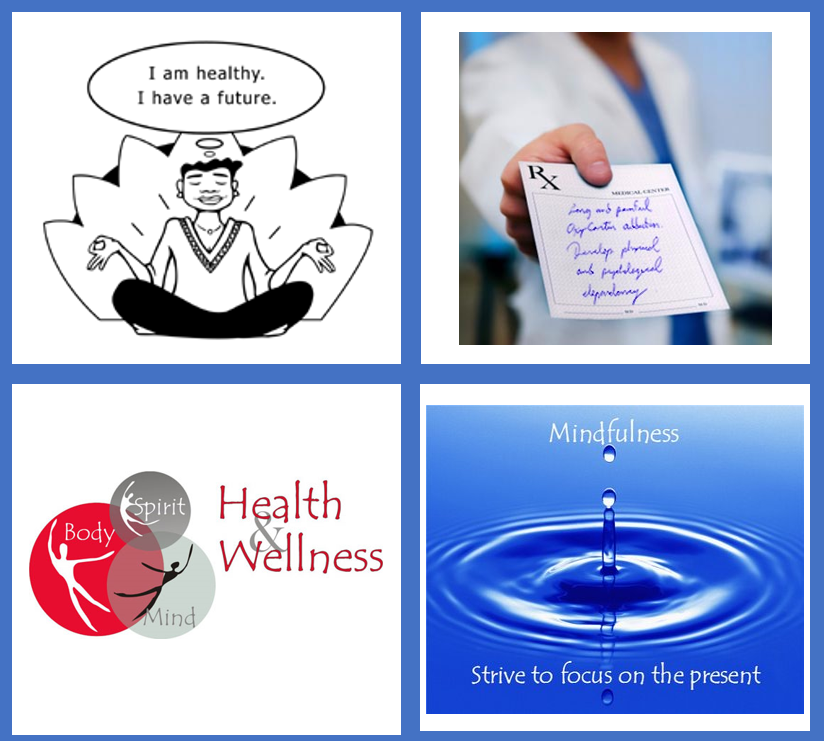
Learn how to practice mindfulness and meditation to improve your health.
February 17 & 24
March 3 & 10
Instructor: Susan D’Agostino, RN, CMMI
Certified Mindfulness and Meditation Instructor.
---
---
title: "Follow Your Dream"
slug: "follow-your-dream"
date: "2018-10-15 21:10:00"
author: "Ligia Houben"
---

Whatever you want to achieve in life…follow your dream. Remember to think big, and you will be able to transform your life.
Nothing can stop, you but your own mind. Napoleon Hill, in his seminal work, Think and Grow Rich stated: “What the mind can conceive, it can achieve. ” It all starts with having the desire to make it happen.
Martin Luther King said, “I have a Dream” and he carried it on…
So, what is your contribution to this world? How can you become a better person? What is your dream?
Imagine it! Cherish it! See it in your mind and feel it in your heart!
If you face obstacles, do not dismay. Do not allow people to discourage you.
Surround yourself with people who believe in you and your dream and cheer you up.
People who “coach” you through tough times, and cherish your wins. Even small win counts!
Achieving a dream is a process (just like the grieving process); it may take time, but it does not matter. Start taking the first step today.
Even if you are facing a crisis, a difficult time, or a loss. You can still dream for a better life because…there is life after a loss, and it is precious.
So, what do you need to follow your dream? I have found these values to be of great help:
- Desire (to make it happen!)
- Believe in yourself
- Perseverance
- Self-discipline
- Self-confidence
- Having a high intention (something bigger than you)
- Resilience during challenging times
- Being optimistic
- Being flexible
- Being fearless
So, do not wait for better times to pursue your dream. The time is now!
Your life is finite, and you do not want to waste more time in dreaming what you wish you could be, do, or give.
Do it now with love, care, and…meaning.
Remember…Your Life has Meaning!
Ligia M. Houben
---
---
title: "Understanding Suicide II"
slug: "understanding-suicide-ii"
date: "2019-03-11 15:34:40"
author: "Ligia Houben"
---

I wrote this article after the suicides of Kate Spade and Anthony Bourdain, which happened very close to each other in June 2018. After reading the sad news about the suicide of the Olympic cyclist [Kelly Catlin,](https://www.cnn.com/2019/03/10/us/olympic-cyclist-death/index.html) I wanted to repost it again. The World Health Organization (WHO) reports that every 40 seconds a person dies due to suicide. Death by suicide is epidemic and it is important to talk about it and to look for help when it is needed.
According to the famous suicidologist, Edwin Schneidman, suicide happens when a person is experiencing *psychache* (psychological pain) which is impossible to bear. In his seminal work, *Definition of Suicide*, Schneidman stated that the most common emotion a person who is contemplating suicide experiences is hopelessness-helplessness. Taking this valuable information into consideration, we can take a closer and look at what is happening in our society. Based on a recent study of the Centers for Disease and Prevention in Atlanta, in the last two decades suicide has increased more than 30%. Moreover, in *The Last Dance*, the textbook I used when I taught Death and Dying at Florida International University, it shows that in 2005 there were almost 30,000 suicides a year in the United States. In 2016 the CDC shows there were nearly 45,000 deaths. These statistics show an increase of 50% in 11 years. What is provoking this increase? Who is dying from suicide and how can we prevent it?
This topic is getting a lot of attention after the unfortunate deaths from suicide of two famous people this past week, Kate Spade and Anthony Bourdain. These tragic incidents have promoted discussion about the causes of why people would take their own lives.
The CDC report shows to us that suicide not only happens when the person suffers from a mental health condition. It may occur when the person doesn’t possess the necessary life skills to help them deal with stressful life events such as financial difficulties, job loss, and health issues among others. In older adults, the fact of growing older can also be a cause of suicide. Furthermore, it is increasing among middle-aged men as Martin Daubney points out in his article, *Why does no one care when boys fail at school, and middle-aged men kill themselves?* Daubney mentions a study in the UK that shows a 40% increase in suicide among middle-aged men in the last five years. In the United States, the highest suicide rate (19.72%) is among adults (45-54 years of age).
It is important to know that suicide is happening on a significant scale and it’s necessary we start having the conversation openly, so we can focus on prevention and awareness. In the seminars I impart nationwide on *Transforming Grief and Loss. Helping Your Clients Through Major Life Transitions,*where we talk about how to build resilience, suicide is always central to our discussion. Experiencing the loss of purpose and meaning, seems to be a major factor to lose hope for a future, and find suicide as the only way to end a life that is not fulfilling.
Let’s keep in mind that not only adults die from ending their lives, but also adolescents and children. Among the leading causes seem to be a change of schools, peer pressure, and bullying (Grim, 2012). In a recent seminar, a counselor at a university shared with us that 40% of her clients have suicidal ideation.
**How can we help**
If you know someone who is suicidal, always validate their emotions. Remember that for them their pain may be too huge to handle, and suicide is their only way out. Allow them to talk to you about how they feel instead of diverting the conversation (e.g., you’ll be OK!), and provide support. Please remember not to say others have it worst. Sometimes trying to help, people make those comments, and they do not help much. Instead, provide information about hotlines and direct them to a professional that can help them find ways to cope with their life stressors.
**Warning Signs**
1. Changes in personality or behavior
2. Giving away possessions
3. Talking about killing themselves or the desire to die
4. Changes in eating and sleeping patterns
5. Isolation
6. Using alcohol or drugs
**Risk Factors**
1. Feelings or hopelessness
2. Mental disorders
3. Health issues
4. Previous ideation or attempts
5. Substance abuse
6. Financial losses
7. Relationship problems
8. Job loss
9. Isolation and lack of resources
10. Loss of a loved one
11. Lack of purpose or meaning
12. Fear of aging
13. Lack of coping skills
14. History of aggression
Lastly, let’s all keep in mind that understanding what may provoke someone to die from suicide can help increase awareness, participate in suicide prevention, and have an open and compassionate conversation.
**Resources**
https://suicidepreventionlifeline.org/how-we-can-all-prevent-suicide/
Lenaars, Antoon A. Edwin S. Shneidman on Suicide. Suicidology Online 2010; 1:5-18. [http://www.suicidology-online.com/pdf/SOL-2010-1-5-18.pdf](http://www.suicidology-online.com/pdf/SOL-2010-1-5-18.pdf)
Schneidman, Edwin. PhD (1977). Definition of Suicide. Jason Aronson, Inc.: New York, NY.
Grimm, Joe, Ed. (2012). The New Bullying-How social media, social exclusion, laws and suicide have changed our definition of bullying, and what to do about it: Read the Spirit Books and Imprint of David Crumme Media, LLC.: Canton, MA
DeSpelder, Lynne Ann and Albert Lee Strickland (2005). The Last Dance. McGrawHill: New York, NY
[https://www.telegraph.co.uk/men/thinking-man/11966292/Why-does-no-one-care-when-boys-fail-at-school-and-middle-aged-men-kill-themselves.html](https://www.telegraph.co.uk/men/thinking-man/11966292/Why-does-no-one-care-when-boys-fail-at-school-and-middle-aged-men-kill-themselves.html)
https://www.who.int/mental_health/prevention/suicide/suicideprevent/en/
[https://www.cnn.com/2019/03/10/us/olympic-cyclist-death/index.html](https://www.cnn.com/2019/03/10/us/olympic-cyclist-death/index.html)
---
---
title: "How to Start the Year with Authenticity, Hope, and Purpose"
slug: "how-to-start-the-year-with-authenticity-hope-and-purpose"
date: "2025-01-06 19:46:19"
author: "Ligia Houben"
---

The New Year is more than just a date on the calendar; it’s an opportunity for a fresh start. What does this new chapter mean to you? Beyond traditional resolutions, it’s important to connect with what truly matters: our authenticity, our capacity to heal, and our willingness to transform our lives.
**1. What Does It Mean to Live Authentically?**
Living authentically means accepting and embracing all that we are, including our emotions and experiences. Starting the year this way involves:
Recognizing difficult emotions that we often try to ignore, like sadness or grief.
Honoring our losses and lessons, allowing ourselves to heal from the heart.
Listening to our inner voice, letting it guide us toward what truly matters.
Authenticity isn’t about perfection; it’s about being honest with ourselves as we move forward with intention and purpose.
**2. A New Year: A Door to New Opportunities**
Each New Year is like a door that opens, offering us new possibilities. Even when we face challenges, we can always decide how we step through that door. Here are some steps to get started:
Reflect: Take time to write or meditate on the lessons of the past year.
Let Go of What No Longer Serves You: Say goodbye to what doesn’t add value to your life, whether it’s habits, beliefs, or relationships.
Visualize Your Intention: Imagine how you want to feel and what actions you can take to make that happen.
Crossing this door with purpose can transform how you experience the year ahead.
**3. Keys to Starting the Year with Hope and Transformation**
Honor Your Lessons: Every challenge from the past has taught you something valuable. Carry those lessons with you as tools for this new year.
Open Your Heart: Allow yourself to explore new opportunities, even if they push you out of your comfort zone.
Set Intentions, Not Resolutions: Instead of rigid lists, focus on how you want to feel and the steps that will bring you closer to that.
4. Your Guide to a Year of Hope and Purpose
The key to a transformative year is living authentically. By listening to your heart, embracing your emotions, and moving forward with intention, you can create a year full of meaning, even in the face of challenges.
Keep in mind that 2025 is an open door full of possibilities. The choice of how to step through it is in your hands. Honor your emotions, focus on what truly matters, and move forward with hope. This could be the year you reconnect with yourself and transform your life from the inside out.
May this year be one of authenticity, hope, and transformation.
Happy New Year!
Remember, your life has meaning!
Ligia M. Houben
---
---
title: "When Grief Meets Spring: A Gentle Invitation to Begin Again"
slug: "when-grief-meets-spring-a-gentle-invitation-to-begin-again"
date: "2025-04-14 19:54:58"
author: "Ligia Houben"
---

**Can it be a sense of renewal when grieving?**
Spring is a season that whispers renewal, fresh beginnings, and hope. But when we are grieving, the arrival of spring can feel out of sync. When your heart aches and your spirit feels dormant, how do you embrace the call to begin again?
Grief doesn’t follow the calendar. It doesn’t pause for sunshine, blossoms, or celebrations. And yet, spring gently reminds us that even the deepest winters of the soul are not forever.
Renewal doesn’t mean forgetting. It means allowing ourselves to gently shift—from surviving to sensing the possibility of living again. To honor what was, while making space for what may be.
**The Invitation of Spring**
Grief can feel like being stuck in a long, cold season—one where color has faded, and even the brightest day feels dim. When we’re grieving, time may feel frozen, and emotions can come in waves.
Spring doesn’t ask us to leap forward. It invites us to soften. Just as the earth thaws slowly and blossoms gradually emerge, we, too, are allowed to unfold—bud by bud, moment by moment.
There is no rush. Only a quiet possibility:
That something within us may still want to bloom.
**How Can We Renew Ourselves Through Grief?**
This season is not about forcing a fresh start, but about gently tuning in to where we are—and what we need. If you’re wondering how to move toward renewal, even in small ways, here are some gentle practices to consider:
**1. Create a Ritual of Release**
What are you ready to let go of—guilt, regret, heaviness?
Write it down. Let it have a voice. Then plant those words into the earth, burn them in a safe container, or tear them into pieces and release them into flowing water.
Nature knows how to transform what we release. So do our hearts.
**2. Connect with Nature**
Let yourself be held by the natural world. Walk slowly. Feel the sun on your face or the breeze on your skin. Sit beneath a tree and breathe with its quiet strength.
Grief often disconnects us from the world around us. Nature invites us to remember: life continues… and you are still a part of it.
3. Tend to a Garden—or to Yourself
Plant something—perhaps herbs, flowers, or simply hope. Or tend to your body with nourishing food and kind movement.
Caring for life reminds us that we are capable of care, of love, of healing. Whether you grow a garden or water your inner soil, both are sacred.
4. Make Space for New Meaning
You may not feel ready for joy, but can you find moments of meaning? A shared memory. A comforting word. A sacred silence.
As Viktor Frankl wrote, “When we are no longer able to change a situation, we are challenged to change ourselves.”
Spring offers us that challenge—with tenderness.
**5. Honor the One You Lost Through a New Tradition**
Grief is love with nowhere to go—unless we give it direction.
Light a candle in their memory. Write them a letter. Cook their favorite meal. Volunteer or create something in their honor.
Your love doesn’t end—it transforms. Let it continue in a way that feels true to you.
**Renewal Is Not a Requirement—It’s an Invitation**
You are not expected to feel better simply because the season has changed. Spring doesn’t demand your healing. It simply offers a gentle whisper:
You are still here. And there is life within you.
You may still cry. You may feel joy and sadness in the same breath.
This, too, is renewal.
Grief and growth are not opposites.
They can coexist—softly, silently, and beautifully.
So whether today you smile through tears or simply sit quietly and breathe, know that this is enough.
Like spring, you are allowed to begin again—gently, and in your own time.
From my heart to yours,
Ligia M. Houben
---
---
title: "Healing Through Meaning: Leonidas' Journey of Grief and Music"
slug: "healing-through-meaning-leonidas-journey-of-grief-and-music"
date: "2023-11-26 02:44:50"
author: "Ligia Houben"
---

**Introduction**
Grief is a journey with unique paths, and it was uniquely challenging for Leonidas Reimer, a young adolescent. Losing Kennedy, his girlfriend, to suicide, Leonidas found himself engulfed in a sea of emotions. However, in the depths of his sorrow, he discovered solace and expression through music. His story is one of healing and transformation, a narrative that resonates with the power of purpose and passion. Although Leonidas’ world turned upside down when he lost Kennedy, he was determined to channel his pain into something meaningful.
**The Healing Power of Music**
Music became Leonidas’ refuge, and he started working on his album, “Songs for a Long Train Ride Home.” He poured his heart into melodies and lyrics, each note a step towards healing. His songs, raw and honest, are a tribute to Kennedy; they are a way to keep her memory alive.
Because music is his passion, I wanted him to meet Marlow Rosado, an amazing human being and accomplished musician. He is the winner of two Grammys and producer of my upcoming audiobook in Spanish, “Déjame vivir mi duelo…y sanar de adentro hacia afuera” (Allow Me to Grieve…and Heal From the Inside Out). Leonidas visited Marlow’s studio when we were recording, and he had the opportunity to learn from Marlow’s experience and share his story.
In the sanctuary of Marlow’s studio, surrounded by instruments and echoes of creativity, Leonidas shared his album “Songs for a Long Train Ride Home.” Marlow listened to Leonidas’ journey, and with an open heart, he offered more than just musical advice; he provided sensitive insights on healing through purpose. Leonidas’ encounter with Marlow was profound as it confirmed his mission: to use his music as a beacon for others traversing the dark waters of grief. It touches my heart to see how Leonidas has embraced the transformative power of music, demonstrating how it can be a vessel for grief, carrying it from the shadows into the light.
Leonidas’ story is a poignant reminder that a melody of hope can emerge in the depths of despair. Through his music, he honors Kennedy’s memory and offers a guiding light to those who have experienced similar loss. Furthermore, his journey continues after his music. He is also working on a film, “The Kennedy Project,” to introduce a proactive stance to suicide prevention.
**Reflection**
Grief is a profound and complex emotional response to loss, particularly when we lose someone significant in our lives. Although the process varies significantly from person to person, being witnessed in grief is crucial. What helps the most is to express our emotions in a safe and understanding environment, validating our feelings and experiences. Healing from grief is a gradual process of re-engaging with life, finding new meanings, and living life with a renewed sense of purpose.
As I reflect on Leonidas’ journey, I am confident he will continue showing the resilience and compassion of his human spirit, and his ability to find solace and meaning in creativity.
---
---
title: "Dealing with Your Emotions During A Crisis"
slug: "dealing-with-your-emotions-during-a-crisis"
date: "2018-06-14 16:29:01"
author: "Ligia Houben"
---

If you feel desperate because you find yourself in a situation where you cannot find a way out, I want to share with you, certain techniques or tips that you can do to help you deal with your emotions.
When living a difficult situation, sometimes we do not want to get out of bed to avoid facing what is happening; We would like to escape or think that everything has been a bad dream. We do not want to wake up! You may not stop crying or thinking about the pain you feel.
You may even think that nothing you do can change what you are living. In effect, there are situations that are beyond our control and the only thing that we can really control is how we handle it. You will ask, what can I do? What is the first step to take?
The following suggestions will help you to manage what you are confronting at this time of your life.
**SUPPORT**
Find support in others. It does not necessarily have to be a support group. It can be someone very close to you with whom you can talk openly about how you feel; It can be a friend or a relative. Remember that sharing does not mean staying stuck in the situation and just talking about it. If you feel too overwhelmed and think you need a guide or professional help, turn to a counselor who can offer you tools to help you process your emotions.
**RECOGNIZE YOUR EMOTIONS**
When facing a crisis, you can experience many emotions, from fear, to anger, sadness, frustration or despair. Learn to recognize them and process them yourself. Write the emotions on a piece of paper and then you can rip it up. You can also write in your journal to get it out of your heart and put it on paper.
**MINDFULNESS**
To process your emotions, you can also do a mindfulness exercise. Close your eyes, focus on your heart, and ask yourself …
What am I feeling? What makes me feel that way? What would I like to feel instead of …?
Immediately think of something that gives you that desired emotion and imagine it in a very vivid way. The mind is very powerful. By imagining something you can feel it in your body. That is what we call the mind-body connection.
**USE YOUR MIND TO YOUR BENEFIT**
Learn to fight your negative thoughts. What we think has a great influence on how we feel and according to how we feel, we act. If in your mind you harbor thoughts of hopelessness, remember moments in your life in which you thought that things would not improve and over time it was different. You can also think:*I am able to handle this situation.*Being able to handle your thoughts and feel different gives you a great feeling of empowerment. You’ll feel that you are not a victim of external factors, because internally you possess wonderful resources to change your mood.
**TAKE CARE OF YOURSELF**
If you know my system *The 11 Principles of Transformation*® you will recognize that this is the sixth principle. Keep in mind that it is important not to neglect yourself. Although you may not feel like taking care of yourself, in times of stress the immune system is suppressed and it is necessary to be proactive: eat healthy (avoid abusing alcohol to forget or feel better); Do physical exercise if your health allows it, since it helps to generate endorphins and give you a sense of well-being.
Feed your spirit with moments of silence, meditation, or prayer.
Remember, you may not be able to change the situation or event, but you can change how you handle it. Everything is in you. Believe in your ability of handling things. Have faith in yourself.
And if you believe in God … Have faith in God.
[Contact Ligia to schedule an appointment.](https://ligiahouben.wpengine.com/contact/)
---
---
title: "Quit or Persist?"
slug: "quit-or-persist"
date: "2019-01-08 02:24:25"
author: "Ligia Houben"
---

There are times in your life when you face a crisis, and you need to decide either to quit or to persist.
How do you know what the best decision is?
When we face a situation that seems too difficult to endure, and you doubt you have the strength to withstand it or that it is not worth the effort, you may quit.
Many times, you don’t even make an effort to make it work; this is quitting. You may stop out of fear, staying in your comfort zone, or lack of self-confidence.
Other times, you do your best for a situation to work, and you put extra energy to see changes. If this doesn’t work, at least you have persisted in the effort and finally realized it is out of your control.
In your life, many things may be out of your control, and you may continue trying to make them work. You can fall into being stubborn. Maybe you do not like to let go.
There is a difference between letting go vs. quitting.
Do not quit before trying, and do not persist if it is not worth it. It’s your life. Make your decisions based on your values and be true to yourself.
Remember…your life has meaning!
Ligia M. Houben
---
---
title: "You Can Change Your Life"
slug: "%ef%bb%bfyou-can-change-your-life"
date: "2019-01-16 19:13:55"
author: "Ligia Houben"
---

*Be****the****change****you****want****to see in the world.*
– Mahatma
Gandhi
As we start a new year, many people take the opportunity of planning
the year ahead. They set goals with great expectation and anticipation. Some of them focus
on the physical dimension, starting
a new diet or engaging
in a new plan of exercise. Some want to become better in their jobs or profession, including starting a new career.
Others may want to develop
their spiritual dimension. Setting goals is easy – what about
realizing these goals?
What is your goal for 2019? Are you sure you want to achieve it? Then, the first step is to work in and on yourself. Without changing ourselves, we cannot change our external world. In the seminar I conduct, *Live your Life with Meaning and Purpose and Realize your Goals*, I ask the participants to do an exercise on discovering what their values are and how to live accordingly.
The following are some of the values
I find essential to live the life you really want to live. These are:
#### Self-discipline-Perseverance-Faith-Purpose-Passion
Now, let me just briefly
explore each of these
values:
**Self-discipline**:
if we
want to better ourselves we need to focus on small actions performed every single day that will help us to create a habit.
It has been said it takes 21 days to form a new habit. Do it. Make the commitment with yourself and for 21 develop a habit that will take you closer
to your goal.
**Perseverance**: Everything takes effort and
planning, especially at times of setbacks, which is when we can learn the best lessons.
In [coaching](http://www.mymeaningfullife.com/services.html), we never use the word “failure” but feedback,
because one can learn from these experiences. Don’t dismay if you find obstacles, they can only help you grow and become
stronger. Keep focused
on your goal and if you need to change the course of action,
do so, but don’t quit.
**Faith**: I believe that having faith in you and in a Higher Power,
which for me is God, everything is possible.
Faith is the engine
that keeps us moving
to higher levels of conscience and existence. Sometime ago someone
gave me a card with the phrase
“Let go and let God” and I need to say to you – I cherish those words in my heart anytime
I may feel any doubt or fear.
**Purpose**: As
we set goals we
need to know the reason behind
that goal. What motivates you? What will this goal bring to your life? As you think in your purpose, use your imagination and visualize what you want to achieve and how do you feel achieving
it.
**Passion**: The last value you need to have is passion. You must absolutely need to feel in your heart
great excitement as you think
about your goal and have the certainty that you will do it.
If
you follow these values and are willing to work in and on yourself,
you will find yourself engaging in a process
of self-development and growth and with effort and time, you will become the ultimate you!
#### Remember, your Life has Meaning!
Ligia M. Houben
---
---
title: "The Power of Transformation"
slug: "the-power-of-transformation"
date: "2019-01-31 13:15:39"
author: "Ligia Houben"
---

*You****may****not****choose****to suffer,
but you can choose to transform
your suffering into a meaningful life.*
Samet M. Kumar
In life we may experience many losses and sometimes it is not easy to confront
what we must live, but we must realize
that our life and the lives of others have significance, and that the meaning of life is the one we give to it.
Therefore, if you are experiencing a loss, being this the death of a loved one, loss of health, loss of a job, divorce – give yourself the value that you deserve and seize the opportunity to grow, in the midst
of this pain, and heal your wounds.
When you do that, you will feel satisfied and you will see life from another
point of view. Do not forget that within
us lies the strength to be able to grow in any transition and find meaning
in how we transform it. This reminds me a story of love and faith, very close to my heart. I want to share it with you.
I met Orali and Moises Flores at the end of 2007. They came to a seminar
I facilitated on grief and loss in Nicaragua, my country
of origin. They had recently
lost their beloved daughter, Albalicia, and were looking for some guidance on how to handle their
grief. That was the beginning of a meaningful relationship. Orali, after learning about the values
of belonging to a support
group as one faces a loss, felt in her heart the desire to organize a self-help
group for grieving
persons and asked me for assistance in how to develop
it. What began as a dream became a reality.
Other bereaved people joined forces and PUDE (Personas Unidas en el Dolor y la Esperanza, people united in grief and hope) was born! This is the ultimate example of the power of transformation. As I stated
before PUDE is very close to my heart because I was there at its origins
and have witnessed the love, purpose and meaning each member hosts
in their heart.
So, each time you may feel without hope as you face an unbearable loss, keep in mind:
- After the darkness comes light
- After the storm, calm
- After the night, the day
- Do not forget that at the end of the tunnel is light. That is the value of hope.
## As you transform your loss, you transform your life!
Ligia M. Houben
---
---
title: "Leadership with a Heart: Supporting Grieving Employees in the Workplace"
slug: "leader-with-humanity-what-happens-when-we-are-expected-to-return-to-work-and-be-equally-productive"
date: "2019-02-12 17:53:14"
author: "Ligia Houben"
---

**The Silent Struggle of Grieving Employees**
Many times, when someone experiences a loss and returns to the workplace, colleagues avoid the topic entirely. The atmosphere turns silent—as if nothing has happened. What does this silence communicate to the grieving person?
They often feel invisible. Unseen. Invalidated.
In my work with clients, I’ve seen this pattern far too often. The griever retreats into their office, overwhelmed by sorrow or frustration, crying in silence or struggling to focus. Unable to share their pain in a space that feels emotionally unsafe, their grief becomes an internal burden—unspoken, yet ever-present.
**A Society That Denies Grief**
We live in a society that avoids grief. In the workplace, this avoidance is magnified. There’s an unspoken expectation to “bounce back” quickly and perform at the same level as before, as if the loss never happened. When grief is ignored, absenteeism rises, not because people don’t care about their jobs, but because being in that environment is emotionally unbearable.
And so, the grieving employee puts on a mask. Pretends to be “fine.” But inside, they are broken. Their pain is hidden beneath the surface, unnoticed and unsupported.
**Grief Is More Than Death**
When we talk about loss, we must expand our definition. Grief is not limited to the death of a loved one. It also stems from:
Divorce
Loss of health
A significant change in identity
The loss of a dream or career path
Grief is a natural and unique response to loss. Each person grieves differently, expressing it across emotional, physical, social, and spiritual dimensions.
A grieving employee might cry (emotional), experience insomnia (physical), isolate themselves (social), or question their purpose (spiritual). What if that insomnia leaves them exhausted at work the next day? Or if irritability from grief spills over into interactions with colleagues?
**Unprocessed Grief Affects Productivity**
Grief that is unacknowledged or unprocessed doesn’t go away—it shows up in different forms. Emotional sensitivity, difficulty concentrating, fatigue, withdrawal, or even outbursts of anger are all potential expressions of internal pain.
Does this foster a friendly and productive workplace? Of course not.
This is why supporting grieving employees isn’t just an act of compassion—it’s a matter of organizational well-being.
**Grief in the Office: A Shared Responsibility**
Creating a compassionate workplace is not just the job of the manager or the owner. It involves every single person—from the front desk to the executive suite.
Everyone should have basic grief awareness to recognize when a colleague may be struggling, and to know how to respond with kindness and humanity. A grieving person doesn’t leave their sorrow at the door when they enter the building. Grief walks in with them, and it influences their energy, focus, and relationships.
**Helping Employees Process (Not Suppress) Grief**
The goal is not to “fix” the grieving employee or rush them back to normal. The goal is to help them feel supported and capable of navigating their loss. This requires a shift in mindset:
From performance pressure to emotional presence
From denial to validation
From isolation to inclusion
Grieving employees need tools and spaces to process their pain—not suppress it.
**How to Be a Leader with Humanity**
You don’t need a title to lead with compassion. From the person sweeping the floors to the CEO, we can all be leaders with humanity.
Here are simple ways to start:
Pay attention. Notice changes in someone’s behavior or performance.
Practice mindfulness. Be present in your interactions—listen with your heart.
Check in. Ask, “How are you really doing?” Let them know you care.
Provide resources. Offer tools, support, and flexibility to help your team cope with loss and grow through it.
**A Message from My Heart**
As a grief expert, this message is personal. I’ve seen the pain that silence causes in the workplace—and I’ve also seen the transformation that happens when empathy enters the room.
We have the power to change the culture of our workplaces—one conversation, one act of kindness, one compassionate leader at a time.
This is a message of hope, of leadership with humanity, and of productivity rooted in compassion.
If you’d like to bring this approach to your organization, I’d be honored to share with you the methodology I created:
The 11 Principles of Transformation®—a framework to support your employees through grief, loss, and life transitions.
Let’s start a conversation.
From my heart to yours,
Ligia M. Houben
---
---
title: "Be Grateful for Who You Are"
slug: "be-grateful-for-who-you-are-2"
date: "2018-05-23 17:11:16"
author: "Ligia Houben"
---

This message is about you. It is a reminder of the special and unique person you are. You are an amazing human being with talents; with great qualities; with many gifts and yes, with some shortcomings as well. That is what makes you who you are! This week I want you to embrace the person you are with all your love and be thankful! Pay attention to all the things you have in your life with an open heart and open mind.
You will realize you have many things to be grateful. I don’t know if you are going through a very tough time in life and you find it difficult to be grateful this Thanksgiving. My heart goes out to you, and I validate all your feelings. Still, if you open your heart and turn your head to the side, you may be able to notice what you still have in your life. Take a closer look to that special person who is there for you when you are feeling blue; to the things you still have in life and because your heart grieves you are not noticing. Because many times it is easier to focus on what we do not have instead of being grateful for what we have and for the people we still have in our lives.
Just open your mind and open your heart and be grateful for what you have in your life; be grateful for whom you are; for all the things you can do; for your qualities, gifts, and talents; be grateful for your mind, as you can create powerful thoughts. Be grateful for your power of making decisions. Be grateful for having a voice; be grateful for having the skills to build the life you want and deserve.
Instead of staying in your comfort zone, where you feel safe even if you feel unhappy, let go of those ties and be grateful for the ability to make those changes. Be grateful for the capacity to start building the life you want.
Before you realize it, you will be feeling grateful for the wonderful life you have created, and appreciate it every day. I leave you with this meditation:
*Find a quiet place where you can be in a comfortable position and close your eyes. With your eyes closed, begin scanning your body from head to toes and be thankful for every part of your body. Then, go into your inner self and be grateful for who you are, for all the parts inside of you that make you the unique person you are. Be grateful for yourself. Then, think about your loved (present or absent) and be grateful for each of them. Be grateful for your loved ones. Then, think about your friends and be grateful to be able to share with them. Be grateful for your friends. Be grateful for the things you have in your life, for where you live, the food you eat, the clothing you have, and the goals you have achieved in your life. Be thankful for what you have. Finally, be grateful for all your experiences, because they have made the person you have become. Be grateful for who you are. You are a special human being. Be grateful.*
Remember…Your life has meaning!
Ligia M. Houben
---
---
title: "It's about time..."
slug: "its-about-time"
date: "2019-02-19 16:56:59"
author: "Ligia Houben"
---

If you are facing a difficult life transition now, people may tell you:
- It’s about time you feel better. You cannot be sad (or angry, or anxious) all the time.
- You should distract yourself and stop thinking about what has happened to you (even if you lost your loved one and you DO NOT KNOW how to continue).
- You should be positive-like if you can just erase what has happened to you.
- You have to be strong (generally, people define strength with no crying).
In almost no time, you become the result of the expectation of others-your family, your friends, society-and you stuff your grief deep in your heart. But there is a challenge with that…
What you ignore doesn’t cease to exist…it is only repressed.
Before you know it, you may be expressing your grief physically (headaches, insomnia, excess eating) or socially (isolating yourself).
As a bereaved person, you have the right to process your grief and embrace life again.
In this video, Ligia M. Houben has a message for you and invites you to reflect on which areas of your life your grief may be manifesting.
[http://](http://)
After watching the video, reflect on these three questions:
How am I expressing my grief physically?
How is my grief influencing my personal relationships?
How am I dealing with my grief on a daily basis?
You can post your comments here.
If there is an issue with your grief you are having a special challenge with, I would like to know about it. Share it here: [info@ligiahouben.com](mailto:info@ligiahouben.com?subject=Grief%20Challenge&body=Thank%20you%20for%20sharing%20with%20me...%0AFrom%20my%20heart%20to%20yours%2C%0ALigia)
From my heart to yours,
Ligia M. Houben
---
---
title: "Growing Through Divorce"
slug: "growing-through-divorce"
date: "2019-02-22 03:01:28"
author: "Ligia Houben"
---

When we face the death of a loved one, we are expected to grieve.
It is natural. Now, what about when we face a challenging and
devastating life transition, such as a divorce? Going through a
divorce can turn our lives upside down, leaving us baffled, and
without strength and hope. How can we continue? Do we need
a plan of action? Do we need help to pick up the pieces?
When the relationship dies, we often feel lost or without direction.
We face the death of our marriage. And for many it is very
difficult to face or accept. Even if it lasted only a few years, for
many people, a broken marriage is a source of disappointment,
pain, and, fear for the future . Furthermore, because when people
get married they are not planning to get a divorce, when this
happens, it can represent a loss. And, when we experience a loss,
the natural response is to grieve. So, if you are confronting a
divorce, how can grief coaching help you? Is it the same as
counseling?
By definition, counseling pays a lot of attention to the past and the
causes of the emotional rollercoaster. Coaching, on the other
hand, is a development process that can help you move from where
you are now, to where you want to go. Although, it takes into
consideration what has happened in the past, coaching uses it, as a
springboard, to move forward into your new life path. So, instead
of dwelling in the past and staying in a dark place, you can use this
experience as a feedback of what worked and did not, as you find
strategies to plan your life with joy and empowerment. I suggest
you do not ignore your feelings when confronted with a divorce. In
my book Transform Your Loss. Your Guide to Strength and Hope,
I talk about the importance of acknowledging and….expressing our
feelings…as what we ignore doesn’t cease to exist. It is only
repressed.
Remember, what you ignore does not cease to exist, it is only
repressed. You do not have to pretend nothing has happened.
Validate your feelings, process them, and release them. It is a
process and it is different for each person. Still, what matters most
is to know you have choices.
The most challenging step may be to accept your new transition,
your divorce. Still, unless you accept your new reality, you may
find yourself stuck in the past. It may not be easy, but it is
possible. Yes, you can be empowered after a divorce. You may
find resources inside of you that were not in your awareness and
become in a stronger, wiser, and more loving person. It has to do
with focusing on what you still have instead of focusing on what
you have lost. It is up to you.
When you face a divorce you close a chapter in your life, but your
life doesn’t end! In front of you is a path that you can walk down
with strength and hope. This is one of the reasons I like to call this
type of coaching, Grief and Growth, because you can transform
your divorce into personal growth. The choice is yours.
Remember, as you transform your loss or transition….you
transform your life!
Ligia M. Houben
---
---
title: "Connect with your Inner Self"
slug: "connect-with-your-inner-self"
date: "2019-03-03 22:51:07"
author: "Ligia Houben"
---

Are you in touch with your inner self? Do you know what your values, needs, and fears are?
Do you live according to the things that are meaningful to you?
We live in a constantly changing world. We are exposed to new ideas and concepts on a regular basis. We are actually information overloaded! How do you process all this? How do you know you are making the right choices? How do you know you are living a life that resonates with whom you really are?
This message is an exploration of the different messages we receive and how we deal with them. As many of you know, I like to see the human being in a holistic manner. Therefore, we will take a look at our different dimensions. We will start with the physical.
What is healthier? What kind of exercise should we do? How often? Should we eat red meat or become vegetarians? Do we take time to rest? Do we take time for leisure? Are we satisfied with our lifestyle?
What about the social dimension? What is most important? Our work? Our friends? What about social media? Do we need to have a Facebook page? A twitter account? What if you are a professional? Should you have your profile on LinkedIn? How do we communicate better? Is it through texting or making a phone call? Are you communicating at a deep level or you have lost that connection?
Now, let’s explore our emotional dimension. Is it possible to be happy? Does the same concept of happiness apply to everybody? What about grief? Do we all grieve the same? What helps? Does grief counseling help? What about self-help books? What about support groups? Do they work?
Are you carrying pain in your heart that prevents you from becoming the person you want to be?
What about the spiritual dimension? How does praying help? What about meditation? Does it give us personal fulfillment? Is there a difference between spirituality and religion? Can we be spiritual without being religious? Are we nourishing our spirits on a daily basis? Are we exercising our souls, as much as our bodies?
We may have all these messages and different perspectives on how to live our lives…and we may be confused. Still, something we need to be clear about is, knowing who we are, and how to live a life with meaning.
So, I ask you….who are you? What are your values? What is important to you? What inspires you? What motivates you? What displeases you? Do you live according to your values?
Our fulfillment and joy resides in knowing who we are, and living according to our purpose and values. Still, if you are slightly confused in this area, I suggest you take a piece of paper and, on the top of the page write Who am I? Open your heart and open your mind, and write. Do not be afraid. Connect with your real essence and you will discover that, the answers to live a life with purpose, have always resided within you.
Remember…your life has meaning!
Ligia M. Houben
---
---
title: "Are You a Writer?"
slug: "are-you-a-writer"
date: "2019-04-23 19:14:08"
author: "Ligia Houben"
---

If you responded, you
are not, let me tell you that…we are all writers.
Every single day we
write a page in the book of our lives.
In this article, I want to bring to your
awareness how important it is to pay attention to the actions we take, and we
do not take. As you evaluate the
different areas of your life, take a pause and think:
*If I were to come up with a title for the book of my life, what would be the title?*
If you want to connect
with your real self at a very deep level, I invite you to start writing a book
about your life. As in all books, you can start by writing the outline to give
you an idea what is important to you. For the prologue, you could ask someone
who knows you very well, to write about you (virtues and defects), and your
life. You want someone who would be
totally honest. You can take it!
Now, you may wonder
how to divide the other parts of the book. Would you go by sections or by
chapters?
What about if you
divide the different sections based on the different dimensions: Physical, social, emotional, and
spiritual? Keep in mind each dimension
has sub-dimensions. How would you consider yourself to be emotionally? How
stable are you? How fulfilled? How happy? Write about the emotions you feel on
a regular basis, and what makes you feel and experience those emotions.
Evaluate the sources of your happiness or the sources of your grief or
frustration. Remember the book is a work
in progress.
What about the
physical dimension? You could divide it
into chapters. You could write about
your health and your lifestyle; exercise; eating habits, and sleeping habits.
Now, let’s explore your social section. You could write different chapters as
well: Your romantic life; interaction
with friends, family, colleagues, even with strangers. Do you pay attention to the needs of others? How real is your relationship with others in
the world?
What about writing a
chapter about your professional life? A
chapter about what you do. Do you love
it or dislike it? Is it your passion? If not, what would you like to do? You can write another chapter about your
finances! How do you manage them?
Finally, what about
your spiritual dimension? In this
section, you could write three different chapters: forgiveness, gratitude, and
love.
Are you easy to
forgive or do you keep grudges in your heart?
Furthermore, do you forgive yourself or do you act as your harshest
judge?
What about gratitude?
Are you grateful? Can you embrace
gratitude even at times when you face huge challenges?
And….what place has
love in your life? Write this chapter
with…all your heart! Do you love
yourself and love others? I am not just
talking about romantic love. I am
talking about the love that comes from the inside out and expands to the rest
of humanity. Keep in mind that… it all
starts with us, as we cannot give what we do not have.
Do you think you can
write this book? Well, remember that you
are already writing it and have written many pages… But, do you know what the
beauty is? You can re-write some of the
content in some of those pages. Then,
when someone picks up the book that is about your life and they start reading
those pages, they will think*: This is an amazing writer! I am learning so much about this author who
has so much awareness! I am learning
from his mistakes, and he is inspiring me to be the best that I can be.*
It is up to you, how
you want to touch the life of someone when they pick up the book.
We know the tittle of
a book is important, and choose it wisely.
However, what is most
valuable is the content.
We all have a book inside of us, and in case you doubted…**You are a Writer!**
Remember…Your LIfe has Meaning!
Ligia M. Houben
---
---
title: "Your Attitude Determines The Quality Of Your Life"
slug: "your-attitude-determines-the-quality-of-your-life"
date: "2019-04-30 10:32:09"
author: "Ligia Houben"
---

*Human Beings Can Alter Their Lives by Altering Their Attitude*
-William James
Our attitude is the disposition we have regarding a situation, a person, or life in general. We can have a positive or negative attitude, and this is based on our choice. Nobody is born with an attitude…this is created, developed, and maintained.
If we have a positive attitude we tend to be hopeful, joyful, and focus on solutions. Our thoughts are empowering, creative, and loving.
If we have a negative attitude, we tend to be fearful, bitter and focused on problems. Our attitude can make the difference between staying in bed feeling sorry for ourselves or standing up facing the world with self-assurance.
It may not be easy….but our attitude makes it possible!
**Are you aware of the attitude you have in life? **
Do you tend to see things in a positive manner (despite encountering difficulties or facing losses) or do you have a negative filter?
Is your focus of attention on problems or do you focus on solutions?
Some time ago, I did the presentation “Your Aptitude Reflects Your Attitude” to an organization that works with the aging population. On this occasion, I told my group to pay attention to how they answered the phone when talking with older adults because our attitude is reflected even in our voice. If they perceived irritation or impatience, most likely they will not call again. Nobody likes to feel unappreciated. If we expect to be treated well, treat others well.
Our attitude has a great effect on people we deal with, but most importantly, it has a enormous effect on ourselves. If we have a good attitude we face situations expecting a beneficial outcome, with power and determination. If we have a negative attitude we face situations with the expectation of encountering problems, and we get annoyed or irritated.
How can our attitude help us when we face a loss? By choosing between being reacting to being responsive. As Zig Ziglar said “It is not what happens to you but what you do with what happens to you that makes a difference in your life.” These words give us the freedom to choose. They give us the possibility of becoming a survivor instead of a victim. We may feel sad, still, we feel empowered. We may have pain in our hearts, still have determination in our will. We may long for the loss, still know we are able to embrace life again.
If you suffer, from time to time, of a negative attitude, start doing this exercise to change it:
Sit tall, with your shoulders back and your head erect. Put your smile in your face (even if it is a slight one)and think:
*I am able to face this situation. I am able to handle any difficulty I may encounter.*
If you want to really feel the difference it makes our body posture, get into a “bad attitude” posture: slump your shoulders, drop your head, and frown your forehead. Do you notice the difference?
Another element that influences our attitude is our inner conversation. Choose messages that expand you, instead of limiting you. The reality is that we are the product of our thoughts.
Now, take a moment to reflect on these three questions. If you are not satisfied with the answer….Change your attitude!
· Which attitude do you choose in life?
· Are you a victim or a survivor?
· Do you dwell on past losses or design a brighter future?
Remember…your life has meaning!
Have a beautiful day,
Ligia M. Houben
---
---
title: "Caregiving can be a Transformative Experience"
slug: "caregiving-can-be-a-transformative-experience"
date: "2019-05-15 00:41:48"
author: "Ligia Houben"
---

I like to explore the issue of *Taking Care of Yourself*. In this post I want to elaborate on the issue of caregiving. Some time ago, I was recently interviewed for a TV documentary on caregivers. In that particular case, the program was on *Caregiving at the End of Life*, but the principles can be applied to any caregiving situation.
The main message has to do with paying attention to our physical, emotional, and spiritual needs, even if this means asking for help. Being a caregiver myself, I know how necessary it is to have our “me time” in order to recharge and be filled up with beautiful energy. We do not need much time, but it is essential in order to give the best of ourselves. The following suggestions can help you find balance between your role as a caregiver and the other aspects of your life.
First, prioritize. What are the most important issues in your life now? Now, how do you manage your time? Is it too overwhelming? If this is the case, ask for help. Talk to other members of the family, or close relatives, so you can plan some time for your own necessities. Now, let’s talk about your physical needs:
Eat a balanced and nutritious diet and do some kind of exercise. This will give you a sense of wellbeing and it also helps as a stress-relief.
When possible, get enough sleep. I know that as a caregiver, sometimes it can be challenging, but pay attention to this need, even if this implies asking for respite.
Your emotional needs are also important. Share with others how you feel. Write on a journal or record your feelings in a voice recorder. There are also support groups that may be a source of help, but please be careful these support groups do not focus on complaining but on transforming.
Lastly, be aware of your spirituality. Meditate, pray, and/or read inspiring books. Engage in activities that can nourish your soul. And above all embrace Forgiveness, Gratitude, and Love. These are the three spiritual tools I have explored in principle III of “The 11 Principles of Transformation®” because I believe that if we do more of these three things….any difficult situation can be transformed into an experience of personal and spiritual growth.
Have a beautiful day,
Ligia M. Houben
---
---
title: "Are you stuck in the past with losses or regrets?"
slug: "are-you-stuck-in-the-past-with-losses-or-regrets"
date: "2019-06-13 12:55:38"
author: "Ligia Houben"
---

Do you find yourself regretting things you didn’t do or achieve or keeping grudges for past hurts or disappointments?
Do you feel stuck because of this huge weight instead of living with joy and hope?
Many times in our lives we go through situations which may cause us pain and instead of letting go of this pain, we keep it in our heart.
Well, as we keep it in our heart and continue feeding it, instead of lessening the pain it becomes bigger, stronger, and more powerful. It may even control our moods, our interpersonal relationships, and the quality of our lives.
Do you want this to happen? Do you want to perpetuate this feeling in your heart? Or, do you want to let go of past losses and/or regrets? It depends if you want to live a happier life, or if you want to remain stuck, bitter, and upset.
In the guided meditation on forgiveness, I offer at The Center for Transforming Lives to private groups, we enter a peaceful zone where we prepare ourselves to let go of any emotion that disturbs us and embrace joy and peace into our hearts. As we do this, we give ourselves the opportunity to be in control of our emotions and choose what is more beneficial. It is not for the other person (the one who may have hurt us…) it is for us.
As we let go of past grievances or regrets we become a free person with unlimited possibilities.
Do you want to be this person?
Let’s get together for a meditation class and embrace the practice of meditation for a happier, healthier, and more joyful life.
I wish you a beautiful day,
Ligia M. Houben